Publications by topic
Pigmentation & melasma
Melasma, the dark marks acne leaves behind, and the pigment problems that follow treatment as well as precede it. Pigment in deeper skin behaves differently, and most of this work is about that difference.
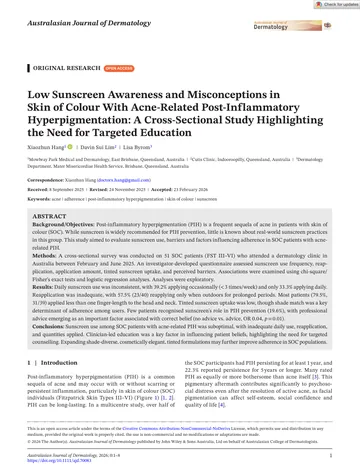
Sunscreen, acne and dark marks in darker skin Most people with darker skin who get dark marks after acne are using sunscreen too rarely and in too small an amount — and almost none of them know that sunscreen is the thing that stops those marks getting worse.
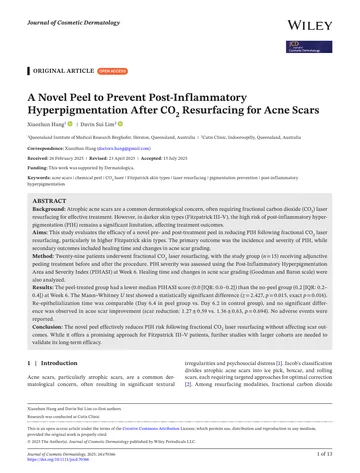
Stopping dark marks after CO₂ laser for acne scars Dark marks after CO₂ laser are the reason many people with darker skin are never offered the treatment at all. A peel given before and after the laser reduced them — without slowing healing or costing any of the scar improvement.
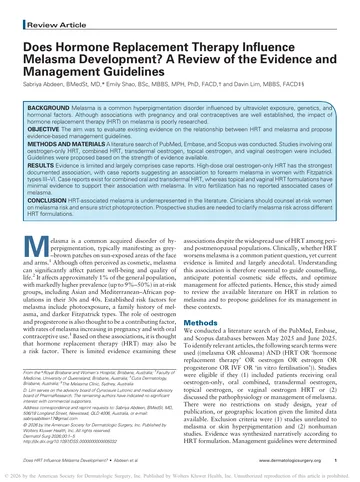
Does HRT cause melasma? The honest answer is that the risk looks low for every form of HRT, but the evidence is so thin that nobody can say so with confidence — and that is worth knowing before you either worry about it or dismiss it.
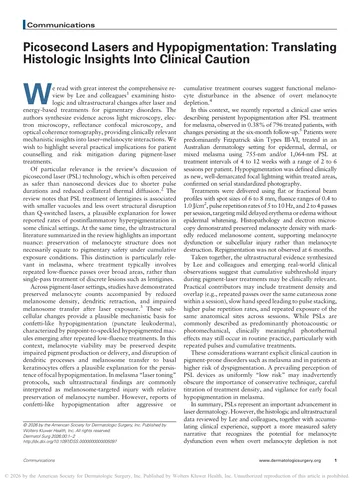
When pico lasers leave pale spots Picosecond lasers are routinely described as the safe option for pigment. In a series of 796 patients treated for melasma, a small number developed pale spots that had not repigmented six months later — and the reason is not what most people assume.
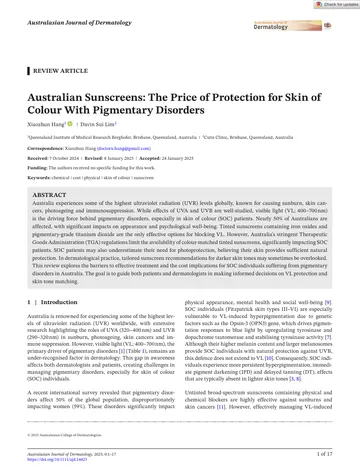
What sun protection actually costs in darker skin The sunscreen that actually protects darker skin from pigmentation is tinted, and following the official reapplication advice with it costs between $3,040 and $18,250 a year. That is the real barrier, and almost nobody names it.
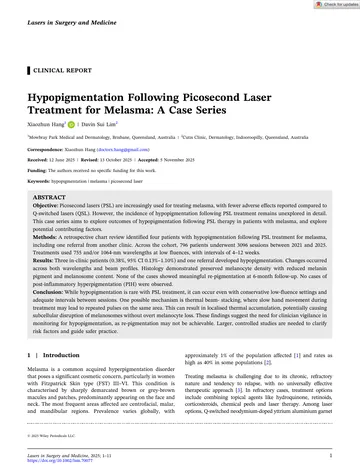
Pale spots after pico laser for melasma Four patients treated with picosecond laser for melasma developed pale spots that had not recovered six months later. The biopsies showed the pigment cells were still alive — they had simply stopped making pigment.
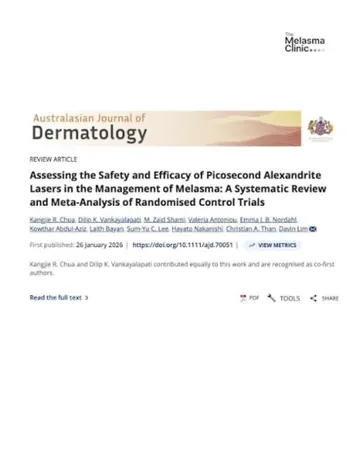
Does pico laser beat the cream for melasma? Pooling every randomised trial that has been done, the standard prescription cream reduced melasma more than the picosecond alexandrite laser did — and the laser caused more pigment rebound than topical treatment.
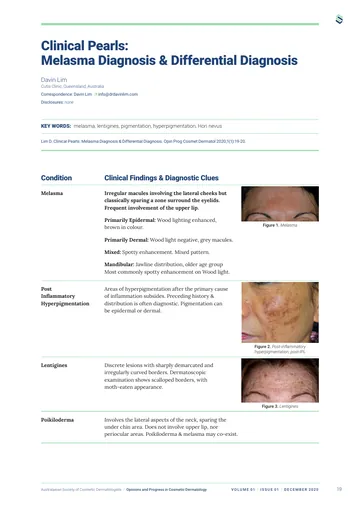
Is it melasma, or something that looks like it? Several conditions produce brown patches on the face, they respond to completely different treatments, and treating the wrong one makes some of them worse. This is the table I use to tell them apart.
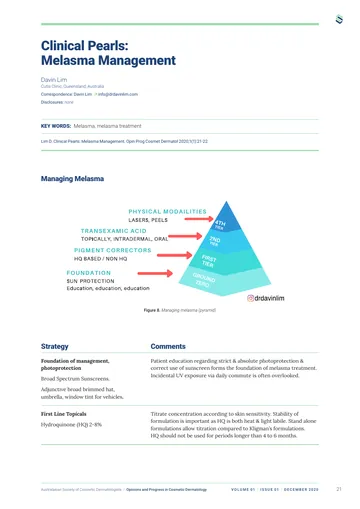
How melasma is actually treated, in order Melasma treatment is a pyramid, and almost everyone tries to start near the top. Sun protection is the ground floor, pigment correctors come first, tranexamic acid second, and lasers and peels are the fourth tier — not the first.
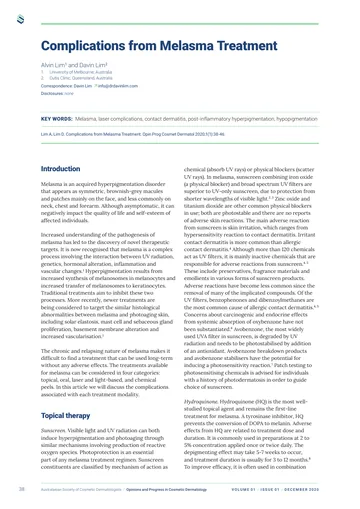
What can go wrong treating melasma Every treatment that works on melasma has a way of going wrong, and several of them go wrong by making the pigment worse. This is the complication profile of each one, set out so the risk can be weighed before treatment rather than after.
Elsewhere on this site
Where to read more
Last updated September 2026.
Have some questions?
Send a message and it will be answered personally. Form endpoint — to be wired in production