
Key points
- Most faces carry three to five different scar types at once. Each has its own structure under the skin.
- A treatment that works well on one scar type can do nothing for another. Failed treatment is usually a matching failure.
- Order matters. Deepest scars first, texture and tethering second, injectables last.
- Acne must be in remission before scar treatment begins. Acne control should be absolute for best results.
01 · Diagnosis
Every scar has a signature
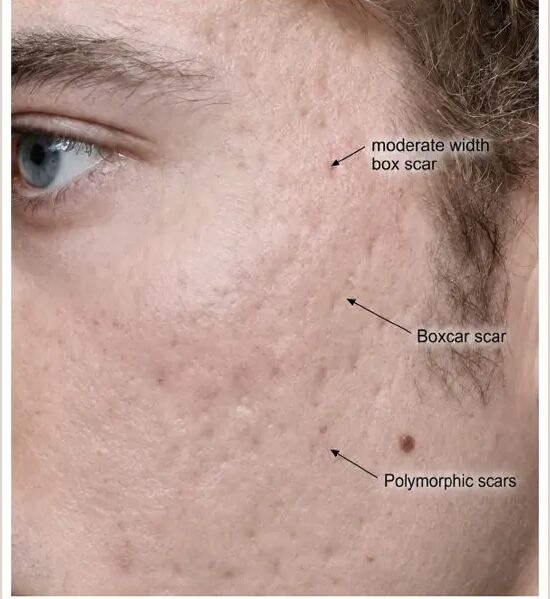
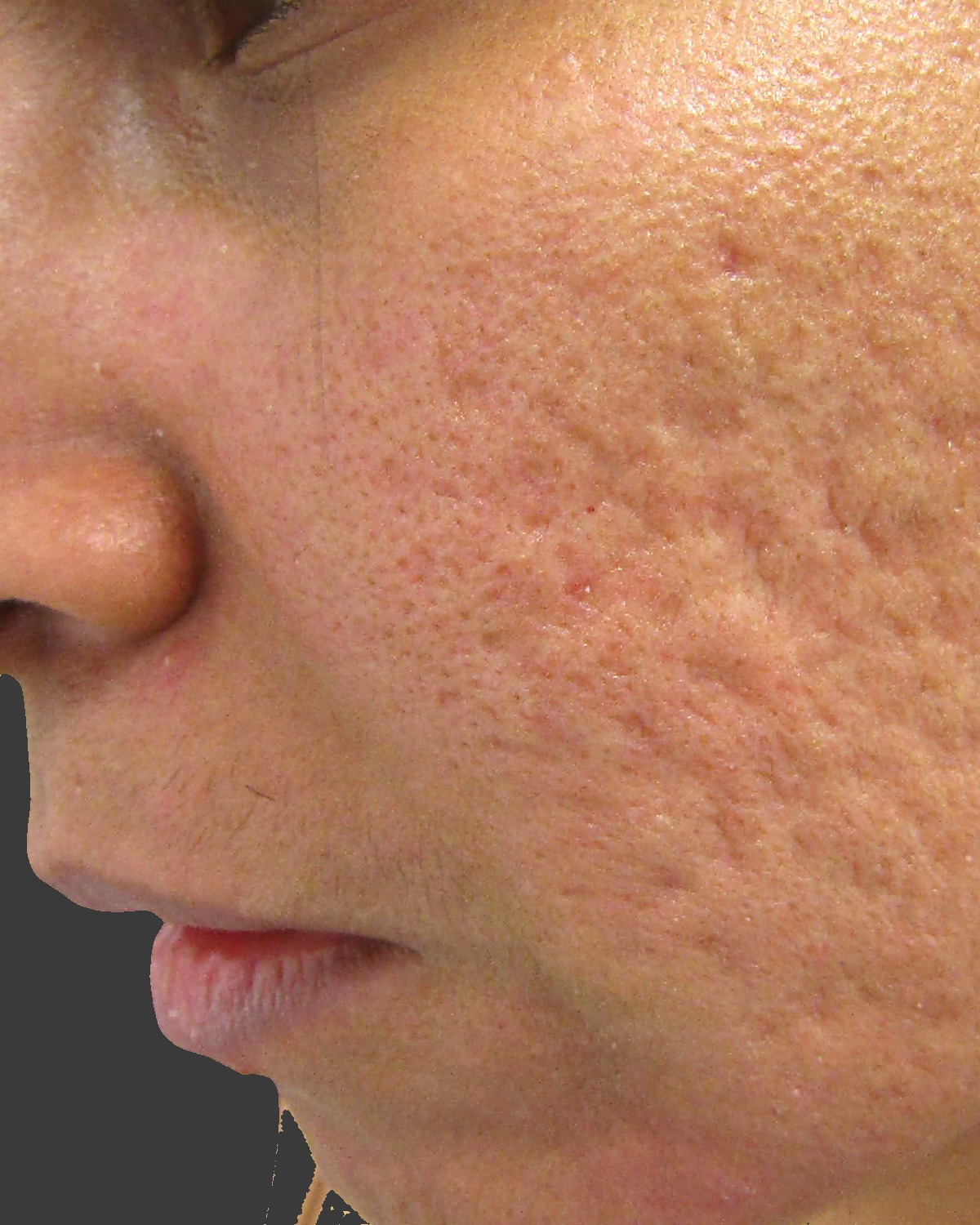
When I look at a face with acne scarring, I don’t see “acne scars.” I see a map of distinct scar types sitting side by side, each with its own architecture under the skin. I call this your scar signature. Most patients carry three to five different signatures at once.
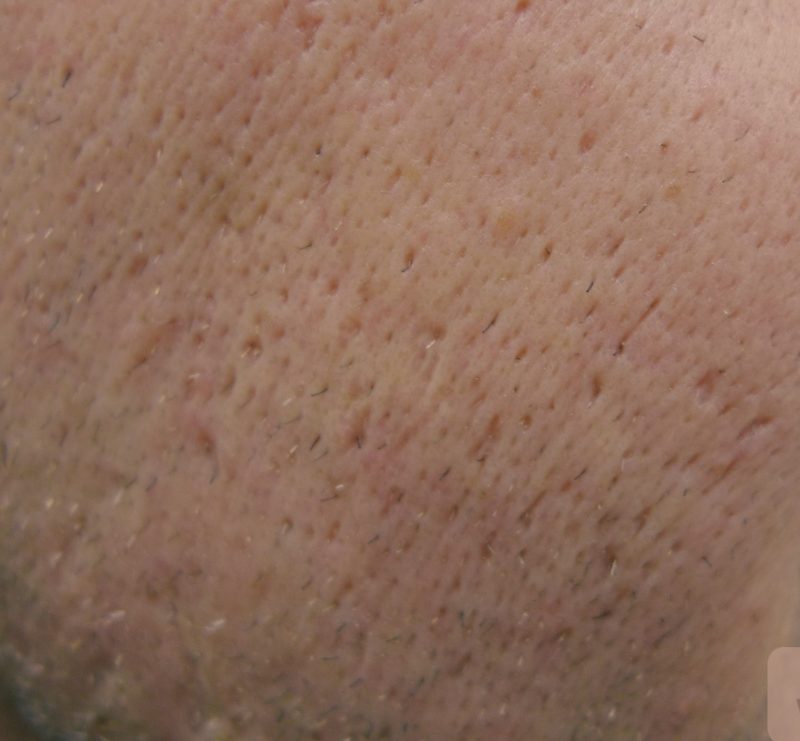
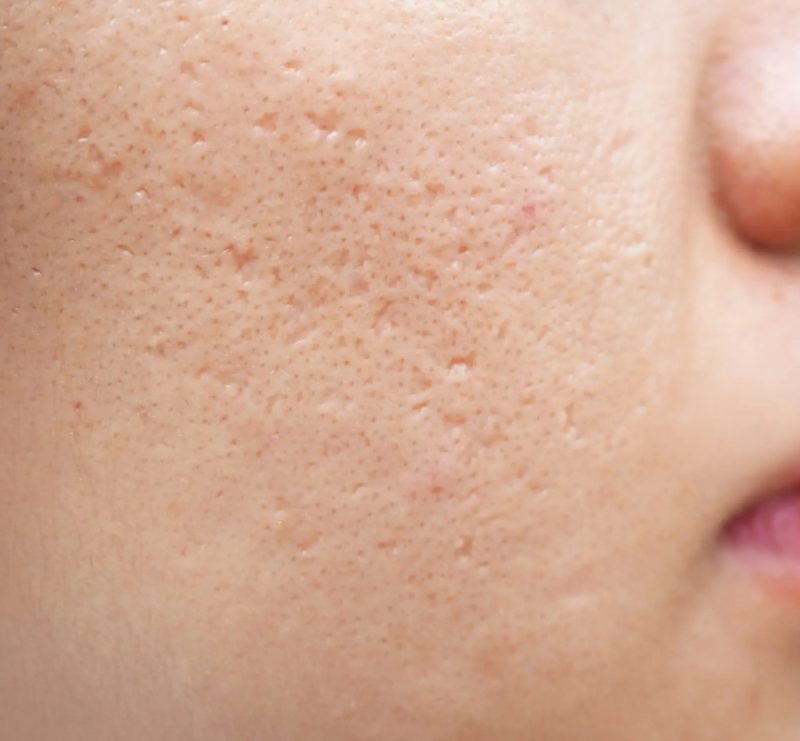
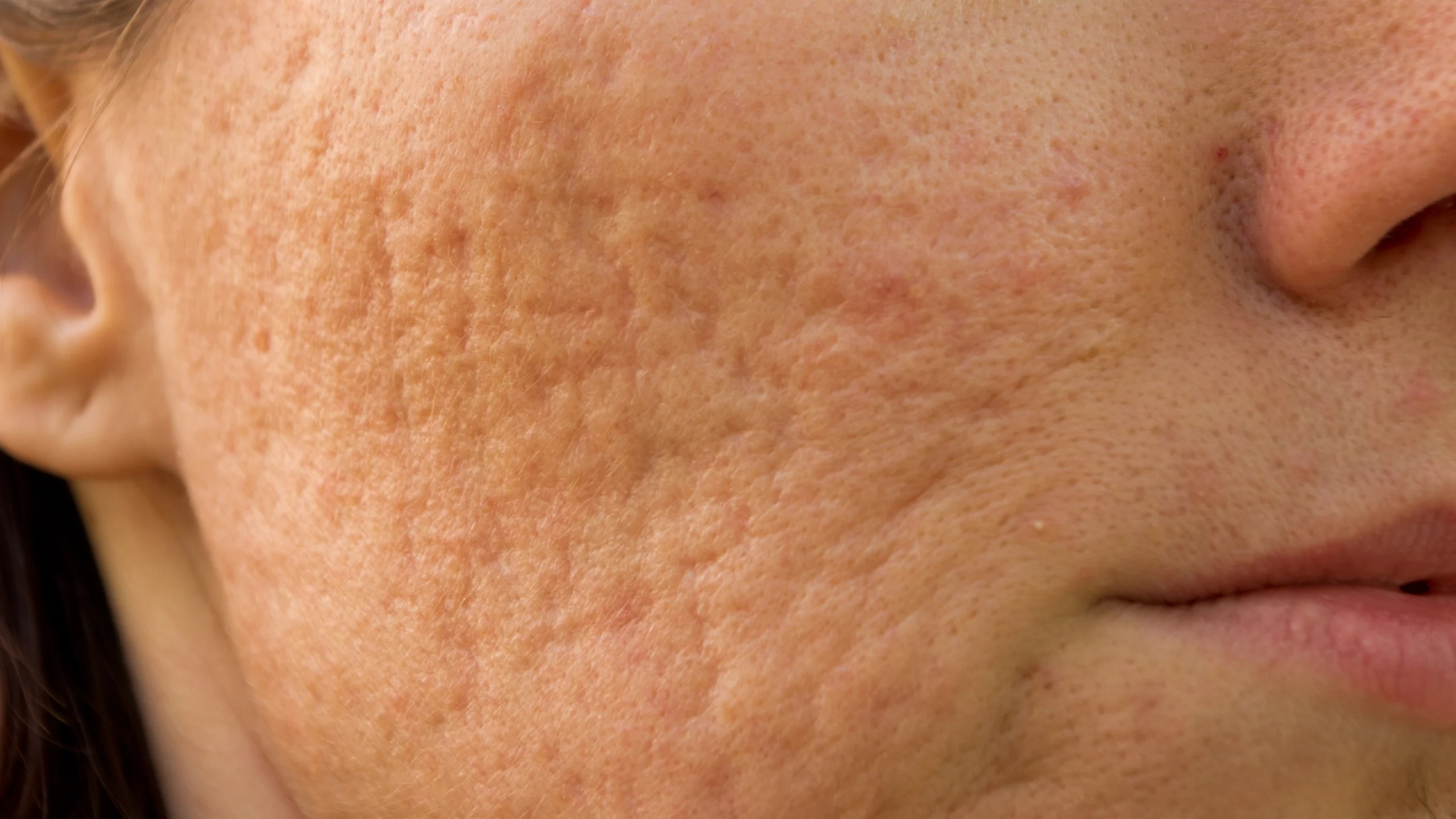
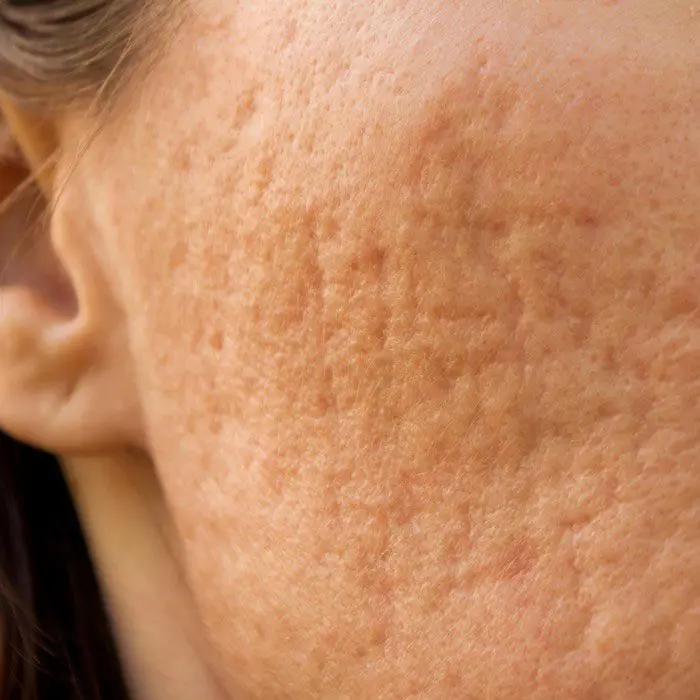
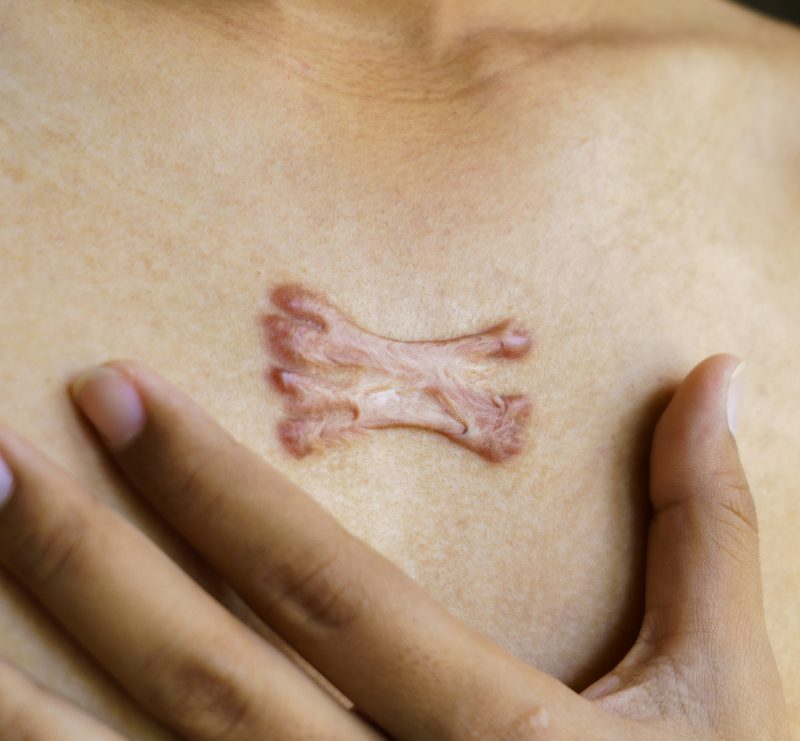
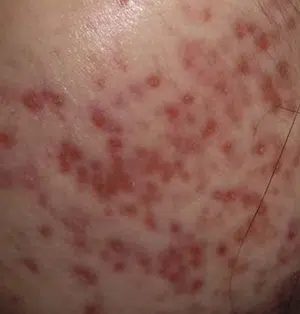
Reference photographs. For the full condition overview, see acne scarring.
02 · The core idea
Why matching matters: the right tool for the right scar
Here is the uncomfortable truth behind most failed scar treatments: the procedure wasn’t wrong in general. It was wrong for that scar type.
Microneedling has a place, but it will never reach the base of an ice pick scar. A fractional laser will improve boxcars but cannot release a tethered scar; only subcision cuts the anchoring bands. TCA CROSS is superb for deep ice pick scars and pointless for rolling scars. Fillers support volume-deficient rolling scars but do nothing for pits.
Patients regularly come to me having spent thousands on many sessions of a single treatment. The honest analysis is that the treatment could only ever treat one of their four scar types. The other three were untouched from day one.
That is not a treatment failure. It is a matching failure.
The matching table
| Scar signature | Best-matched treatment | Why |
|---|---|---|
| Ice pick / deep pits | TCA CROSS, punch techniques | Only focal chemical reconstruction or physical excision reaches the base of a narrow deep tract. |
| Boxcar | Fractional CO₂ / erbium laser | Ablative resurfacing softens defined edges and lifts the floor of the depression. |
| Rolling | Subcision ± filler, fractional laser | Broad undulations need volume and collagen across a wide area. |
| Tethered | Subcision (blunt or sharp) | The anchoring band must be physically released first. Nothing applied from above can do this. |
| Raised / hypertrophic | Intralesional injections, vascular laser | Raised scars need to be switched off and flattened, not stimulated. |
| Red marks (PIE) | Vascular laser | Redness is a blood-vessel problem, not a texture problem. |
| Brown marks (PIH) | Pigment inhibitors, sun protection, pico laser | Pigment must be treated as pigment. Aggressive resurfacing can make it worse. |
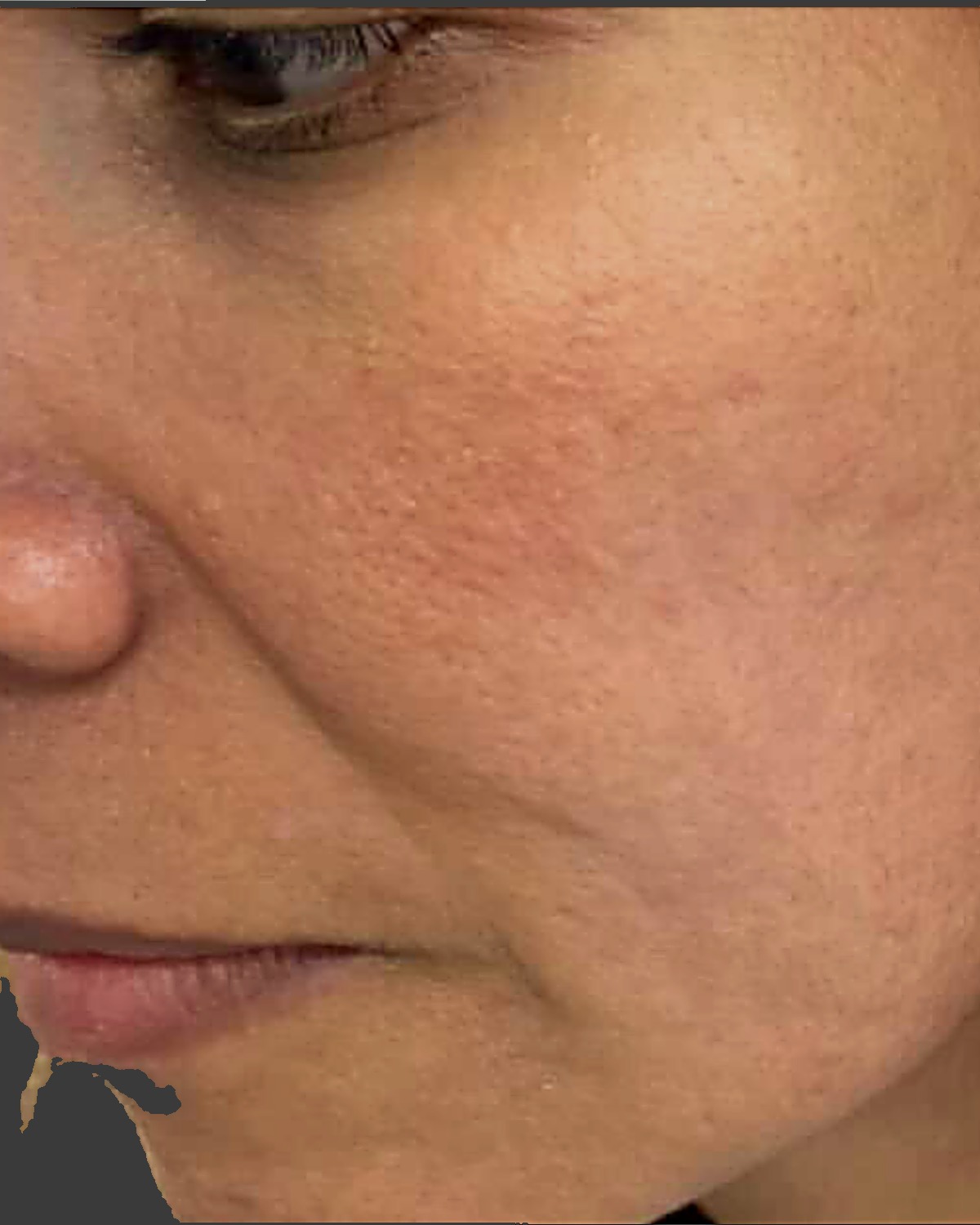
03 · Sequence
Staging: the order is as important as the tools
Correct matching also means correct sequencing. My programmes are staged, and reversing the order wastes sessions and money.
- 00Acne in remission
Before any of it. Active inflammation distracts your immune system from remodelling collagen, and every new breakout risks new scars.
- 01Raise the deepest scars
The rate-limiting scars first: ice picks and deep boxcars. These set the ceiling on the whole result.
TCA CROSSPunch techniques - 02Broader texture and tethering
Often surgical, under sedation. Tethered scars are released and the wider surface is resurfaced.
- 03Adjunctive injectables
Last, once the structural work is done, giving your collagen a helping hand.
FillerCollagen stimulators
The biggest predictor of scarring is how long it took to bring acne under control. Scar work waits until remission is secure.
Stage one in practice: TCA CROSS on ice pick scars. See the TCA CROSS treatment page.
04 · Biology
Why this produces optimal outcomes
Matching produces better results for a simple biological reason. Each procedure triggers a specific healing response, at a specific depth, in a specific structure. When the response matches the defect, every session compounds. When it doesn’t, you pay for downtime with no way for the skin to improve.
Your response also sits on a bell curve. Fast remodellers need fewer sessions; slow remodellers need more. That is why an honest report gives you a projected range, graded against the Goodman–Baron scale, and why your skin tone’s risk of pigmentation (PIH) is designed into the plan rather than discovered afterwards.
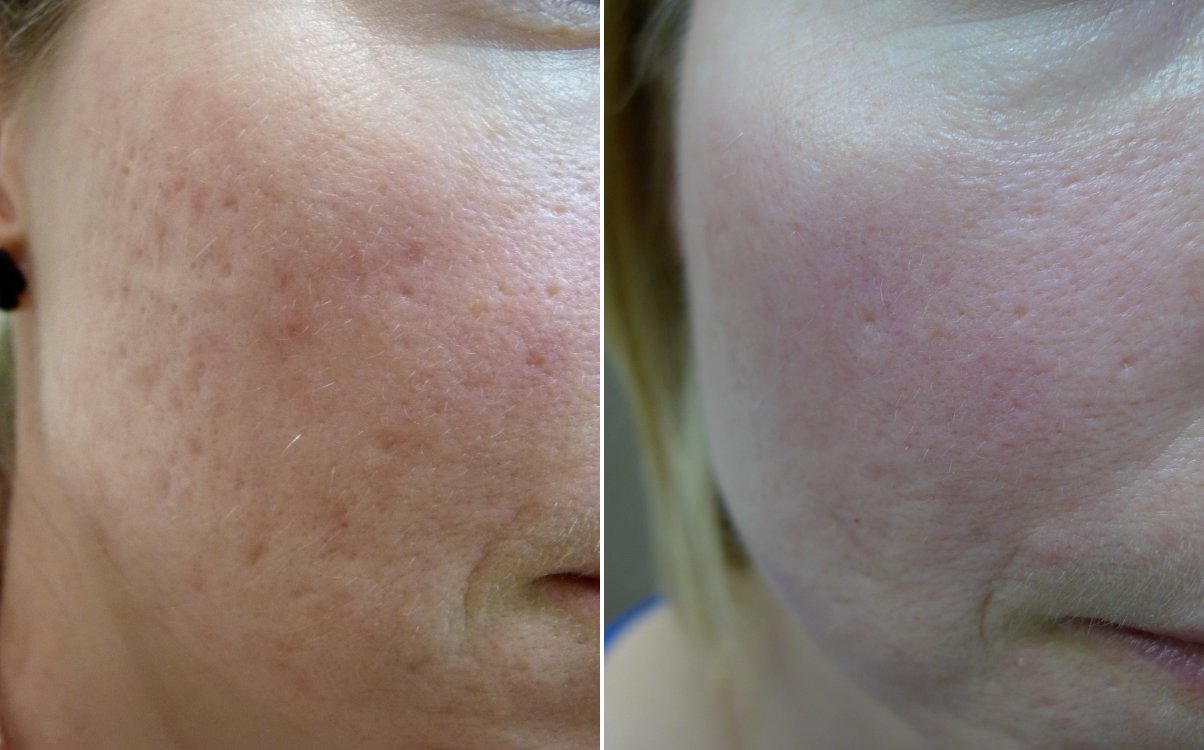 BeforeAfter
Photographs are of Dr Lim’s patients. Results vary with scar type, grade, skin type and how quickly your collagen remodels. They are not a prediction of your result.
05 · Evidence
Publications & downloads
Peer-reviewed work underpinning this approach.
Treatments in this guide
Read more about each tool
Questions
Common questions
What is an acne scar signature?
The particular mix of scar types on your face: ice pick, boxcar, rolling, tethered, raised, and red or brown marks. Most people carry three to five at once, and each needs a different treatment.
Why hasn’t microneedling improved my ice pick scars?
Microneedling does not reach the base of a narrow, deep ice pick tract. Those scars need focal treatment such as TCA CROSS or punch techniques.
Can filler fix acne scars?
Filler supports volume-deficient rolling scars but does nothing for pits. If a scar is tethered, it must be released with subcision first, or the filler lifts it only briefly.
In what order should acne scars be treated?
The deepest, rate-limiting scars first, such as ice picks and deep boxcars. Then broader texture and tethering, often with subcision under sedation. Injectables come last, once the structural work is done.
Can I treat acne scars while I still have acne?
No. Active acne must be in remission first. Inflammation distracts the immune system from remodelling collagen, and every new breakout risks new scars.
Written by Dr Davin Lim, dermatologist. Clinical approach from Dr Lim’s published work, including TCA paint for boxcar and polymorphic scars (Sun & Lim) and surgical subcision in acne scar revision (Lobo & Lim). Severity grading follows the Goodman–Baron scale.
General information only. It is not a substitute for individual assessment. Last reviewed .