Home›Treatments›Fractional CO₂ laser
Treatment
Fractional CO₂ laser resurfacing
The most powerful resurfacing tool in dermatology. A carbon dioxide laser removes skin in microscopic columns and leaves the skin between them intact — so the surface rebuilds in days rather than weeks, and collagen keeps forming for months.
What it is, in two sentences
A CO₂ laser at 10,600 nm is absorbed by water, which means it vaporises skin cleanly and precisely. Fractional delivery splits that beam into a grid of microscopic columns, so only a portion of the surface is treated and the untreated skin in between drives the healing.
That single change is what turned resurfacing from a two-week ordeal into a manageable week. The depth reached is unchanged — which is why this remains the strongest option for scarring and sun-damaged skin.
What brings you here?
Five reasons people come in for resurfacing. The settings change with each one.The same laser behaves very differently depending on depth, density and the number of passes. Choose yours below — the figures and the honest limits are set out in each section.
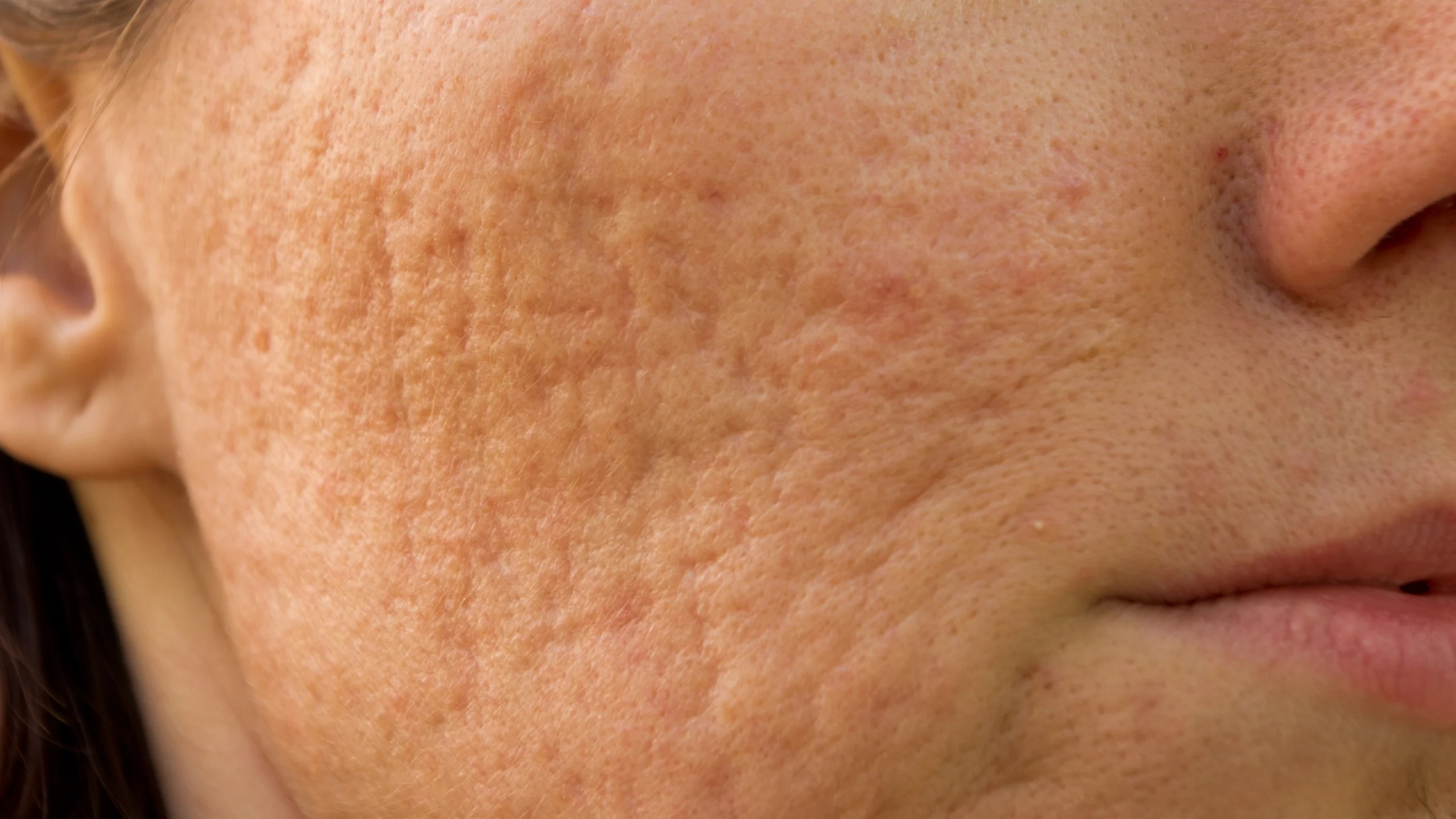
Scars
This is where CO₂ earns its reputation. Resurfacing works across a plane, so it is the right tool for rolling and boxcar acne scarring, surgical scars and traumatic scars where the problem is a change in level and texture rather than a single deep tract.
The laser removes the shoulders of each scar and stimulates collagen in the floor, so the edges soften and light stops catching them. Deep narrow scars are handled separately with TCA CROSS, and tethered scars need subcision first — most scarring plans use two of the three.
What it will not do: CO₂ lasers are useful for scars that lie in layer 1 of the skin, namely the dermis. Lasers do not stimulate fat, and they cannot replace it — and fat loss is what underlies many deeper rolling atrophic scars. Those scars need soft tissue injectables alongside the laser. It also cannot reach the bottom of an ice pick scar, which is what TCA CROSS is for.
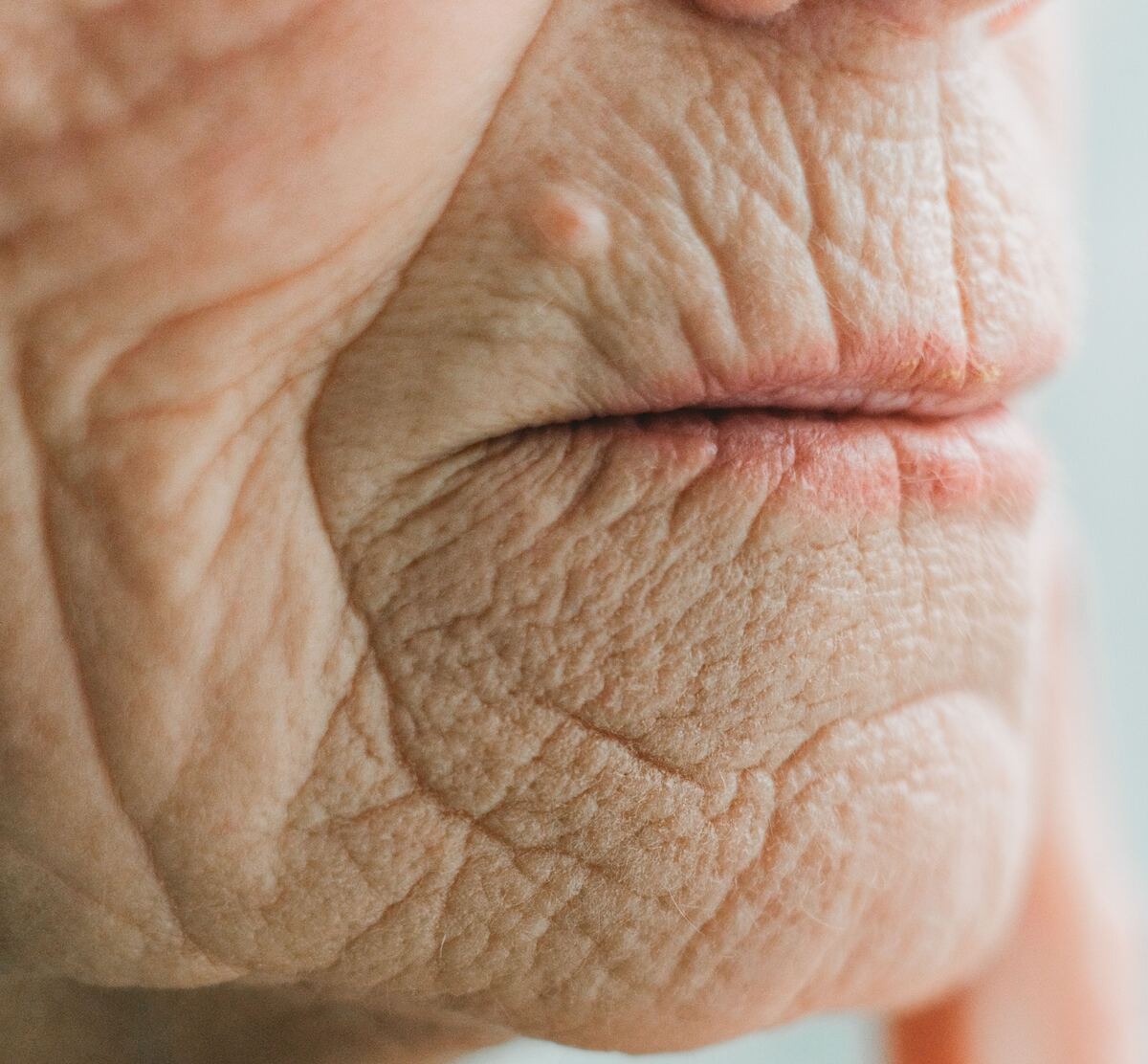
Wrinkles and laxity
Resurfacing treats etched lines — the ones still visible when your face is completely still — and the crepey, thinning quality of skin that has lost collagen. It tightens by contracting collagen at the time of treatment and laying down more over the following months.
What it does not do is lift. Sagging that needs a change in position rather than quality is a surgical or thread problem, and I will say so rather than sell you a resurfacing course that cannot deliver it.
What it will not do: replace a facelift, or soften lines that only appear when you move. Dynamic lines are muscle, and muscle is treated with anti-wrinkle injections instead.
- Wrinkles →
- Skin laxity →
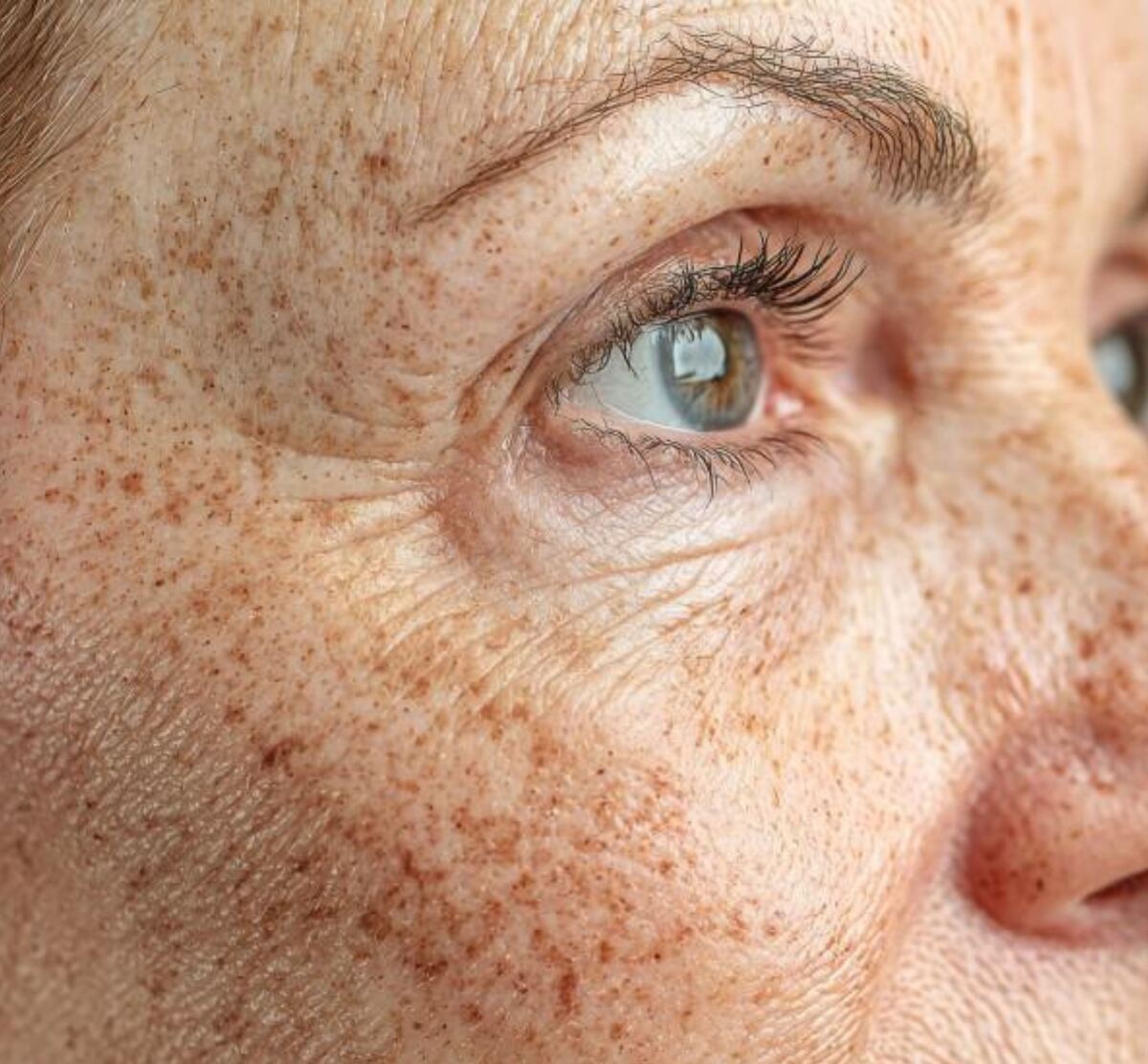
Sun damage
Decades of Australian sun leave skin with a particular signature: mottled pigment, sandpaper texture, fine lines and scattered rough spots. Fractional CO₂ resets that surface in one treatment — and in doing so it treats actinic damage and sun spots at the same time.
On the face, scalp and forearms this is field treatment as much as cosmetic treatment. Where pre-cancerous change is widespread, a resurfacing session can reduce the number of new lesions appearing over the years that follow, and in those cases a Medicare rebate may apply.
What it will not do: clear melasma. Heat-driven pigment conditions can flare after resurfacing, so melasma is treated with topicals and gentler energy instead of a CO₂ laser.
- Sun damage →
- Skin cancer →
- Pigmentation →
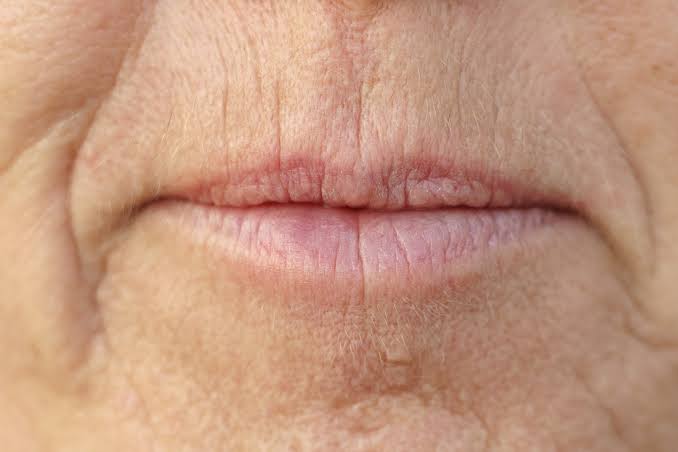
Smoker's lines
The vertical lines above the upper lip are one of the hardest things in cosmetic dermatology, and one of the few places where resurfacing clearly beats the alternatives. Filler in this area puffs the lip without touching the lines; the lines are etched into thin, sun-damaged skin and have to be resurfaced out.
The upper lip tolerates deeper settings than the rest of the face, so this is often treated more aggressively as a standalone area — a smaller treatment, a shorter appointment, and the most reliable improvement available for this problem.
What it will not do: work while you are still smoking. It also will not restore lip volume — that is a separate conversation, and it is worth having after the skin has healed rather than before.
- Lip lines →
- Anti-wrinkle injections →
Eye rejuvenation
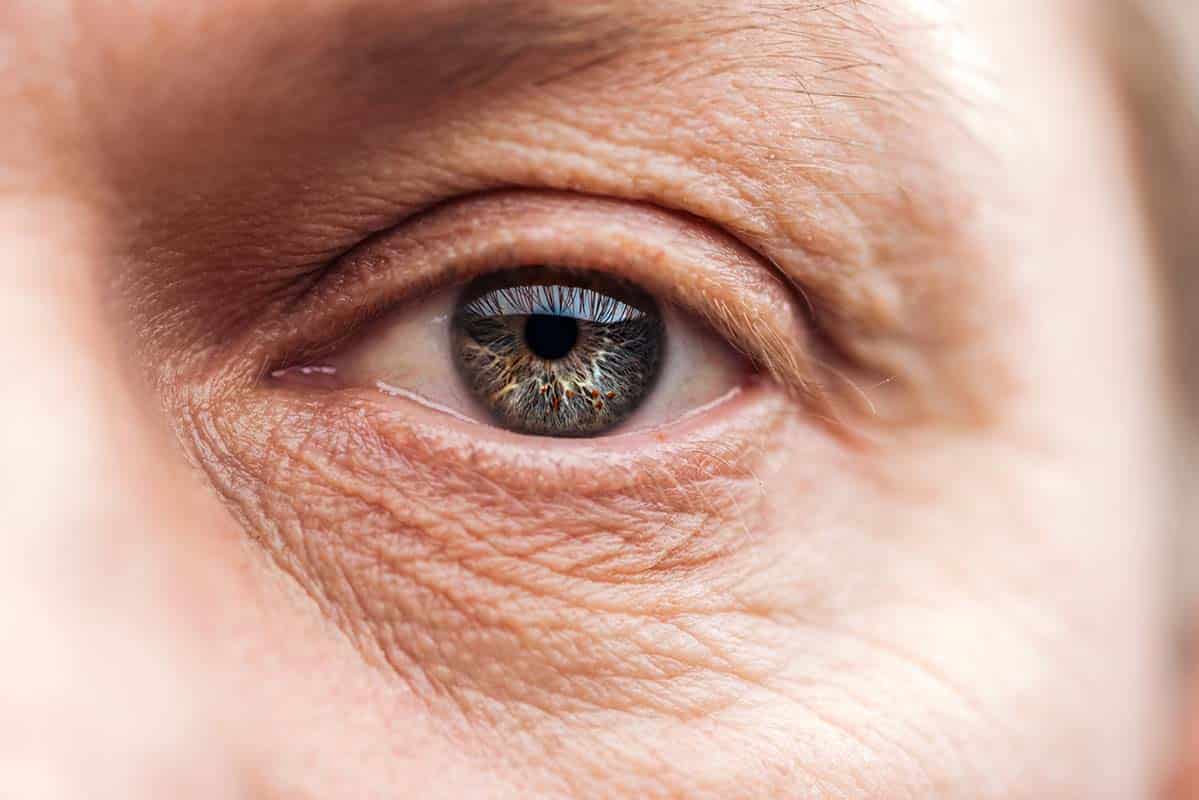
Eyelid skin is the thinnest on the body, which makes it both the most rewarding area to resurface and the least forgiving. Done properly, fractional CO₂ tightens crepey lower lids, softens crow's feet and improves the texture and tone of skin that no cream can reach.
This is a precision treatment: corneal shields in, low density, careful feathering to the orbital rim. It is also an area where an honest answer is often that the problem is fat or muscle rather than skin, and that surgery would serve you better.
What it will not do: remove eye bags or excess lid skin. If the lid needs tissue taken away, that is blepharoplasty — resurfacing will improve the skin sitting on top of the problem, not the problem.
- Under-eye concerns →
- Anti-wrinkle injections →
Everything below applies to all five
The technique is the same whichever concern brought you here — only the depth, the density and the number of areas change.
What happens on the day
- Photographs and mapping
Standardised photographs first, then we agree the areas and the settings. This is the reference the result is judged against, not memory.
- Anaesthetic
Numbing cream for 45 minutes, then nerve blocks or local anaesthetic as needed. Deeper full-face treatments can be done under sedation.
- The treatment
The handpiece is passed across each area in a grid. You will hear a rapid clicking and smell treated tissue; the sensation under anaesthetic is heat and pressure rather than pain.
- Time
Thirty to sixty minutes of laser time for most plans, plus the anaesthetic before it.
- Immediately after
Cool compresses, occlusive ointment and written aftercare. Arrange a lift home and plan to be at home for the rest of the day.
Comfort
Under proper anaesthetic the treatment itself is very manageable. The hours afterwards are the uncomfortable part — a strong sunburn sensation for four to six hours, settling with cool compresses and simple pain relief.
By the following morning the dominant feeling is tightness and swelling rather than pain. Most people need nothing stronger than paracetamol after day one.
Recovery, at a glance
Five stages, in order. The flaking is the treatment working — keep it moist and leave it alone.My team and I will advise you of your recovery. With newer fractional CO₂ lasers, we can tailor the recovery time from as little as 2 days all the way to over a week. Settings matter.
Risks
| Effect | Frequency | Notes |
|---|---|---|
| Swelling and weeping | Expected | Days one to three. This is healing, not a complication. |
| Prolonged redness | Expected | Four to eight weeks, longer on the neck and chest. |
| Temporary darkening | Common | More likely in deeper skin tones and after sun exposure; managed with topicals. |
| Cold sore flare | Uncommon | Prevented with antivirals started before treatment — tell me if you get them. |
| Acne or milia | Uncommon | From ointment and healing skin; settles with a change of regimen. |
| Infection | Rare | Bacterial, viral or fungal. Treated promptly, it does not affect the final result. |
| Loss of pigment | Rare | Usually years later, after deep or repeated treatment. Avoided with conservative settings. |
| Scarring | Very rare | Highest on the neck and chest, which is why those areas are treated lightly. |
Treating tanned or recently sun-exposed skin is the single most reliable way to cause pigment problems. If you have been in the sun, we reschedule — that is not caution for its own sake.
Who is and isn't a candidate
Suitable for most adults with sun-damaged, scarred or lined skin who can take the downtime and commit to sun protection afterwards.
Tell me beforehand if you have a history of cold sores in the area, as treatment has the potential to bring cold sores out. A simple antiviral treatment is the solution.
Also tell me if you are pregnant or breastfeeding, have used oral retinoid therapy in the last six months, have a tendency to keloid scarring, have melasma, or have a tan.
Don't come in for treatment the week of a big event. That is common sense.
Published research · co-authored by Dr Lim
Expert Consensus on Clinical Recommendations for Fractional Ablative CO₂ Laser in Facial Skin Rejuvenation
Levy T, Lerman I, Waibel J, et al (incl. Lim D). Lasers in Surgery and Medicine 2025;57(1):15–26. doi:10.1002/lsm.23850
Fractional ablative CO₂ lasers have been in use for three decades, and the settings people are treated with still vary enormously between clinics. This consensus set out to fix that — to agree, across countries and practice settings, what safe and effective resurfacing actually looks like.
A two-round Delphi process put 188 questions to 21 dermatologists and plastic surgeons internationally, followed by a second round of 11 items to resolve the gaps. I was one of the panel. Agreement was reached on safety measures, patient selection, the treatment framework and technique — including that an active facial infection is a contraindication, endorsed by 95% of the panel.
It is the document I work from, and the reason the recommendations on this page read the way they do: conservative density, depth over coverage, and a hard line on treating skin that is tanned or infected.
Lasers in Surgery and Medicine · Jan 2025 · 57:1
Review · Expert Consensus
Expert Consensus on Clinical Recommendations for Fractional Ablative CO2 Laser, in Facial Skin Rejuvenation Treatment
Tal Levy · Irina Lerman · Jill Waibel · Gerd G. Gauglitz · Matteo Tretti Clementoni · Daniel P. Friedmann · Kevin Duplechain · Peter Peng · Davin Lim · Firas Al-Niaimi · et al · Ofir Artzi
BACKGROUNDFor three decades, fractional ablative CO2 lasers have been used for skin rejuvenation. With breakthroughs in laser technology and expanding popularity, new recommendations and suggestions arise on a regular basis.
OBJECTIVETo develop up-to-date clinical recommendations on safety measures, therapeutic framework, and techniques to improve treatment outcomes.
METHODSA 188-question survey was given to 21 dermatologists and plastic surgeons from various countries and practice contexts, followed by a second 11-item questionnaire.
RESULTSActive facial infection is considered a treatment contraindication by 95% of panelists.
Common questions
How much does it cost?
Who performs it?
How much downtime is there?
Does it hurt?
How many sessions will I need?
Is it safe in darker skin?
How long do the results last?
Can it be combined with other treatments?
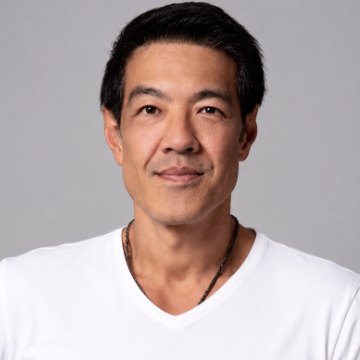
The CO₂ lasers I use, and why I use more than one
Dr Davin Lim · Dermatologist · The Skin Hospital, Sydney — Laser, Procedural and Anaesthetic Division
Every CO₂ laser emits the same wavelength: 10,600 nm, absorbed by water, vaporising tissue on contact. What separates one machine from another is how that energy is delivered — pulse duration, spot size, scan pattern, density control and how much heat is left behind around each column. Those differences are the reason I keep several platforms rather than one.
The platforms in use
 LumenisUltraPulseThe deepest reach available. Reserved for severe scarring and heavily sun-damaged skin where depth is the whole point.
 LutroniceCO₂Precise density control at moderate depth — useful around the eyes and in more delicate skin.
 CandelaMixtoA wide scanning pattern that suits large fields such as the forearms, chest and scalp.
Why this matters to you rather than to me
Matching the machine to the problem is what keeps downtime proportionate to the result. A patient with fine perioral lines and a patient with severe boxcar scarring both need a CO₂ laser, but treating the first with the second's settings buys them two extra weeks of healing for no additional benefit. Having a choice means the settings fit the skin rather than the skin fitting the settings.
Depth is not the same as aggression
Deep, narrow columns at low density reach further and heal faster than shallow, dense treatment. The instinct that more coverage means a better result is the most common reason resurfacing goes wrong — and the reason I will often treat less of the surface, more deeply, than people expect.
Where CO₂ stops, and injectables start
The most common misunderstanding I correct in scarring consultations is that a laser can fill something. It cannot. A CO₂ laser works in the dermis — layer one, the skin itself. It vaporises tissue, contracts collagen and lays down more of it, and that is the entire mechanism. Deep rolling atrophic scars are not purely a dermal problem: in many patients the cheek has lost fat beneath the scar, and the shadow you see in raking light is a volume deficit, not a texture one. No amount of resurfacing reaches it, because there is nothing in the dermis left to fix.
Treated with lasers alone, those patients get a smoother surface and the same hollows — sometimes more obvious, because the distracting texture around them has gone. The honest plan is combined: resurfacing for the scar walls and skin quality, and soft tissue injectables to restore the volume underneath. Biostimulatory or collagen-stimulating injectables give a gradual, structural correction that suits scarring well; hyaluronic acid fillers are useful where the deficit is discrete and you want to see it corrected on the day. Subcision often precedes both, because a tethered scar will not lift no matter what you put under it.
Balanced aesthetics
The same logic runs through facial rejuvenation, and it is the principle I hold most strongly. A face ages in three layers — skin, fat and bone — and treating only the one you have a machine for produces the over-resurfaced, hollow look that people rightly want to avoid. CO₂ is exceptional at skin quality: texture, fine lines, tone, sun damage. It does nothing for the superficial and deep fat pads that deflate with age, and it does not restore projection.
So I plan resurfacing as one part of a balanced approach rather than the whole of it. Collagen-stimulating injectables work beautifully alongside CO₂ — the laser rebuilds collagen from above, the injectable stimulates it from below, and the combination looks more natural than either pushed to its limit. Volume is replaced where it has been lost, movement is softened where it is etching lines in, and the laser is left to do the one thing nothing else does as well. Restraint in each of those tools, used together, beats maximum settings in any one of them. That is the difference between skin that looks treated and a face that simply looks well.
When I recommend against CO₂
Melasma, a recent tan, darker skin types where the pigment risk outweighs the gain, or anyone who genuinely cannot take a week of downtime. In those situations non-ablative fractional lasers and radiofrequency microneedling get to a similar place more slowly and more safely, and that is the honest recommendation rather than a compromise.
— Dr Davin Lim, Consultant Dermatologist
Conditions this treats
Related treatments
- TCA CROSS →
- Non-ablative fractional →
- Microneedling RF →
- Vascular laser →
- All treatments →
Book a consultation
Assessment, photographs and a written plan — including whether resurfacing is the right tool for your skin, and which settings suit it.
Book a virtual consultation$1,590 – $5,990 per treatment
Have some questions?
Send a message and it will be answered personally. Form endpoint — to be wired in production
See the work before you book
Procedures, technique, before and afters, and the reasoning behind them — posted across three accounts, each with its own focus.