
Picosecond lasers and hypopigmentation: translating histologic insights into clinical caution
In short
Picosecond lasers are often described as the "safe" pigment laser, because they use shorter pulses and less heat than older Q-switched lasers. For single spots, such as sun spots, that is largely true.
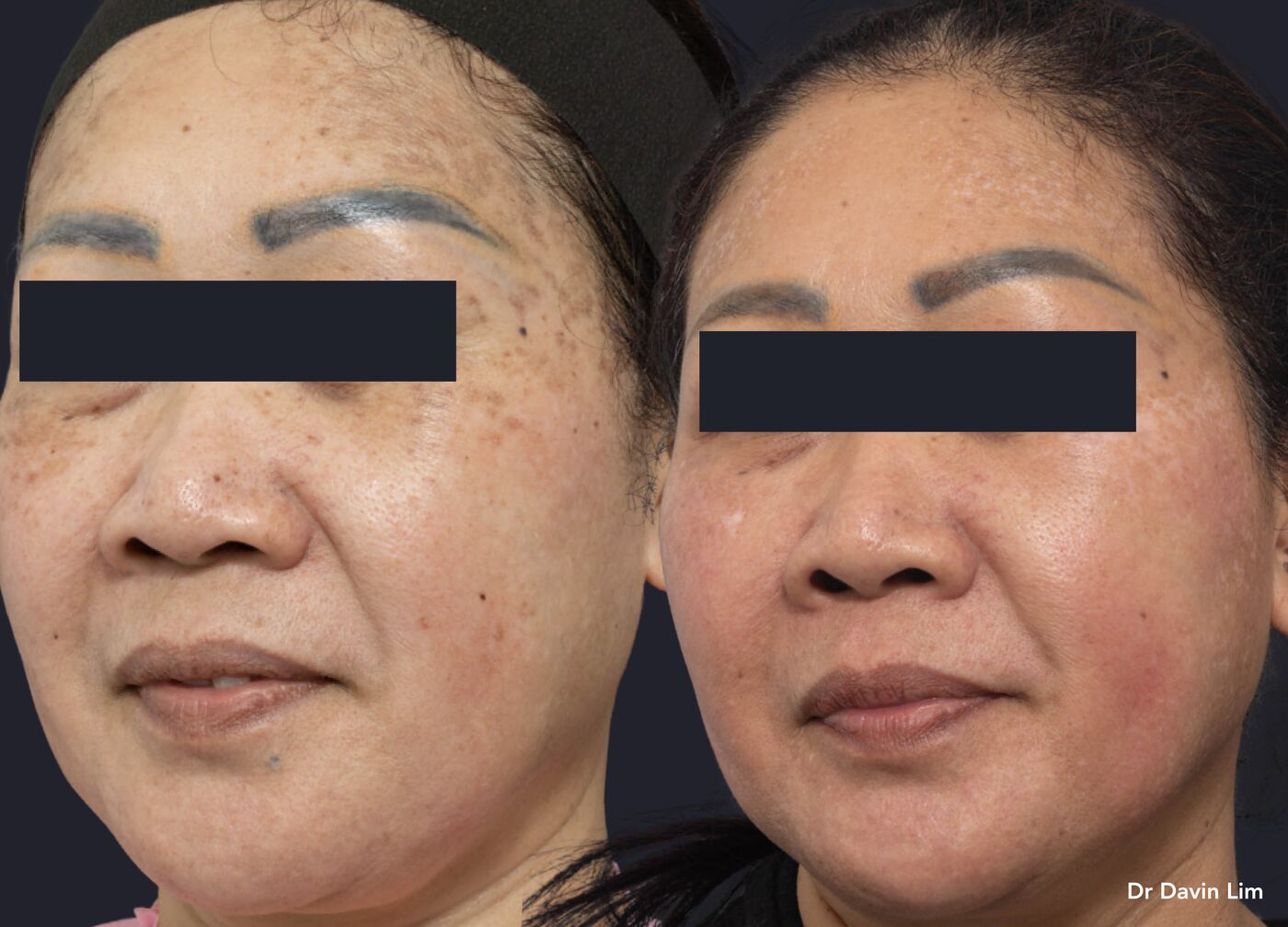
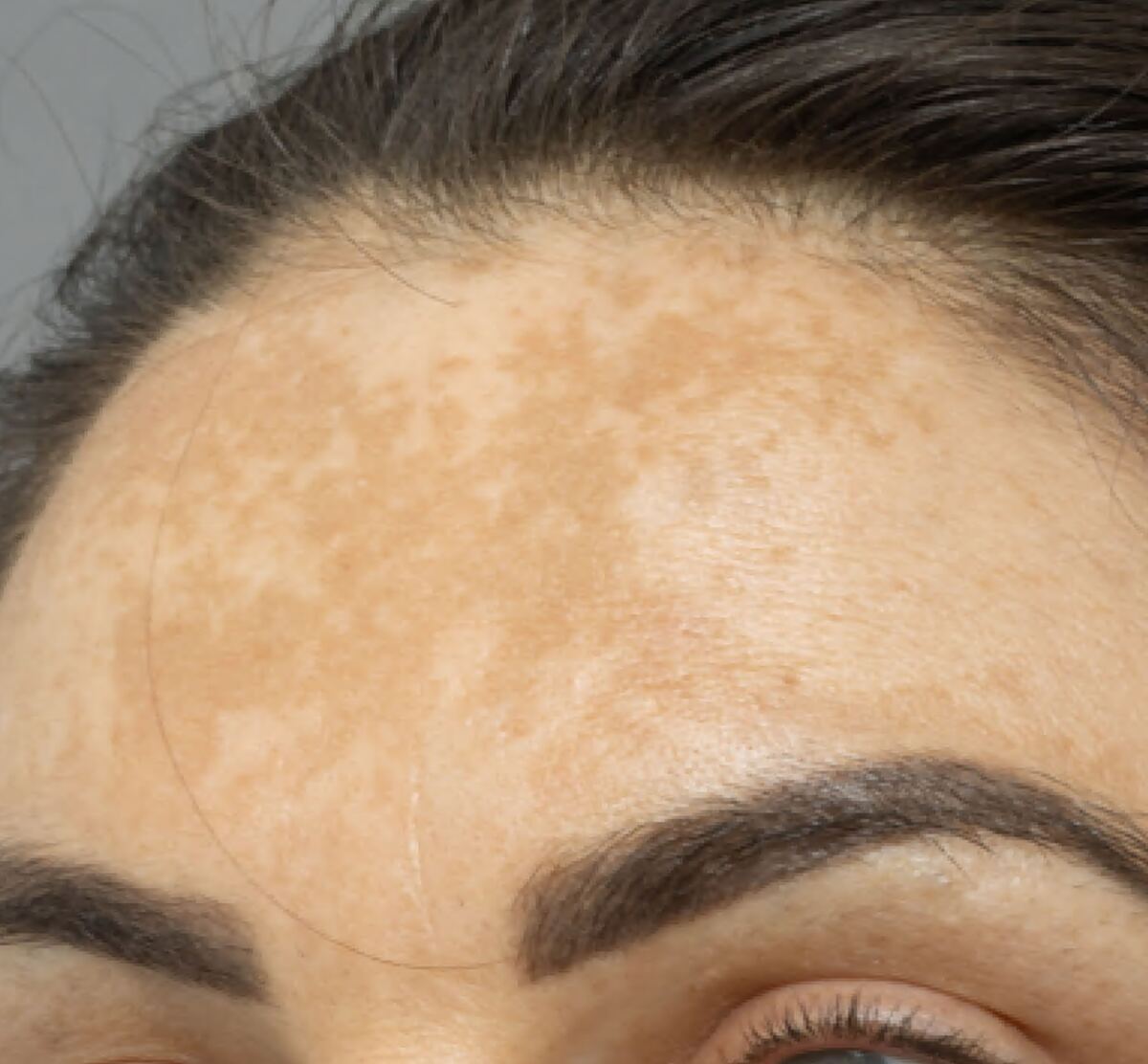
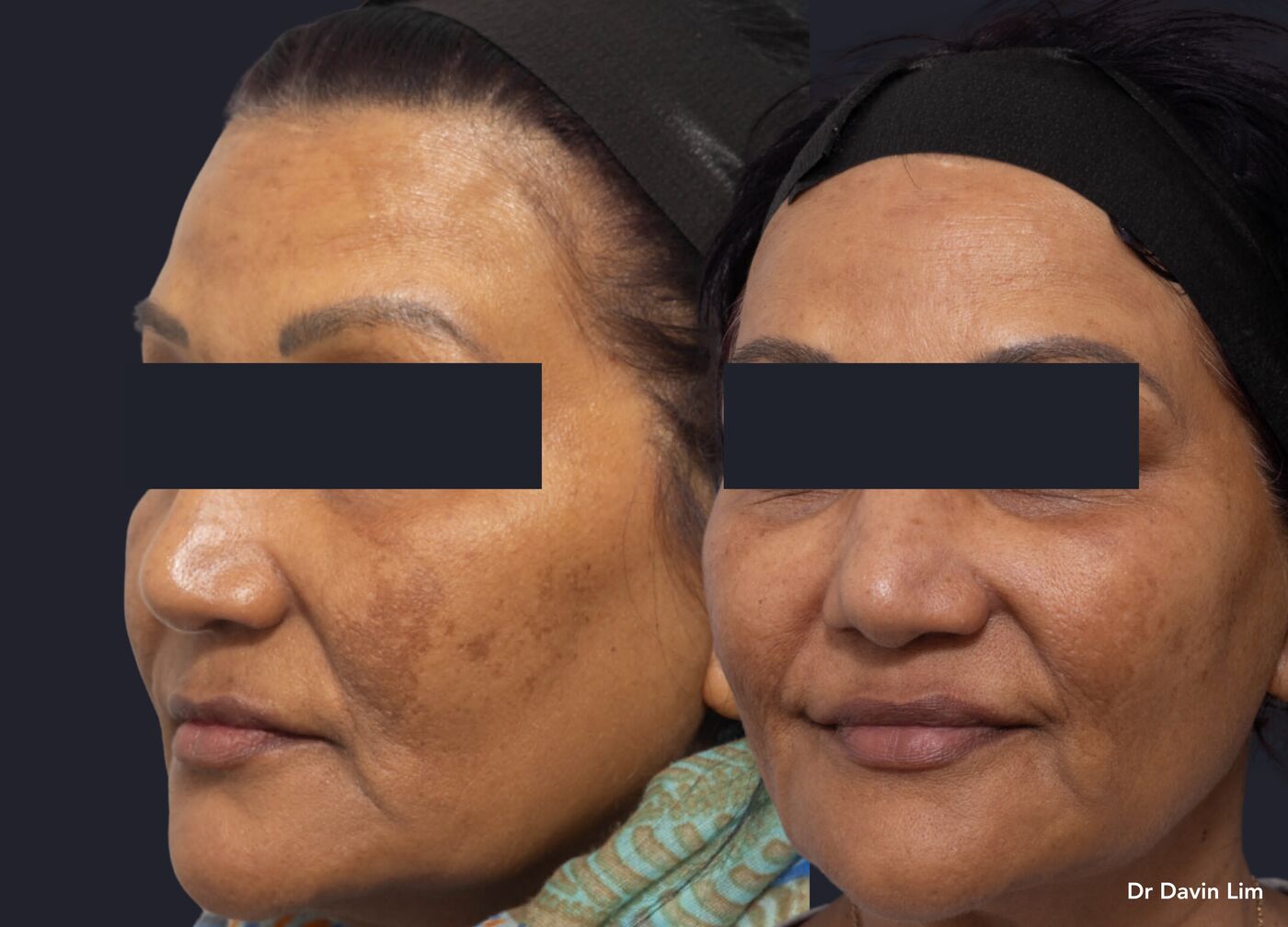
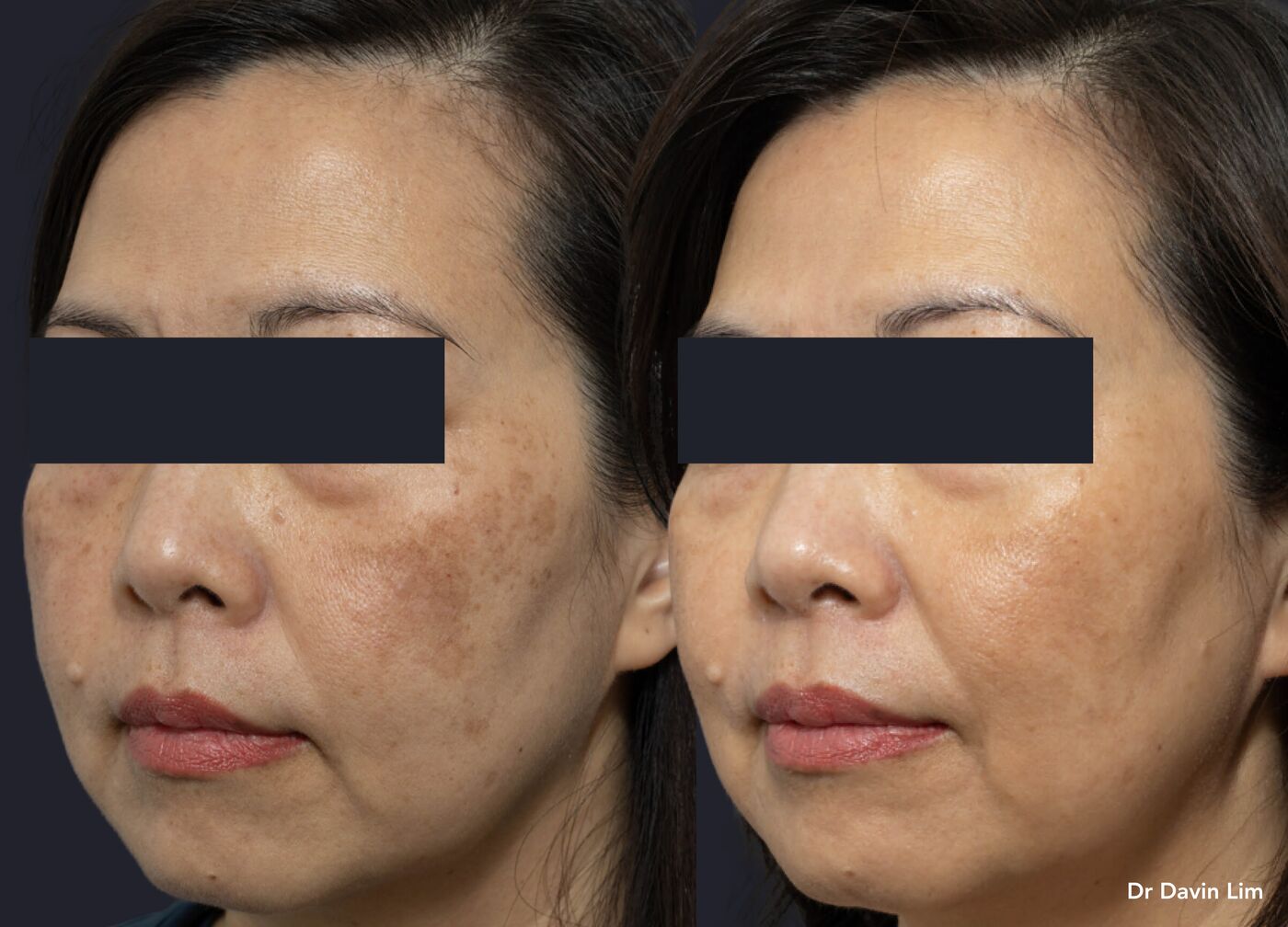
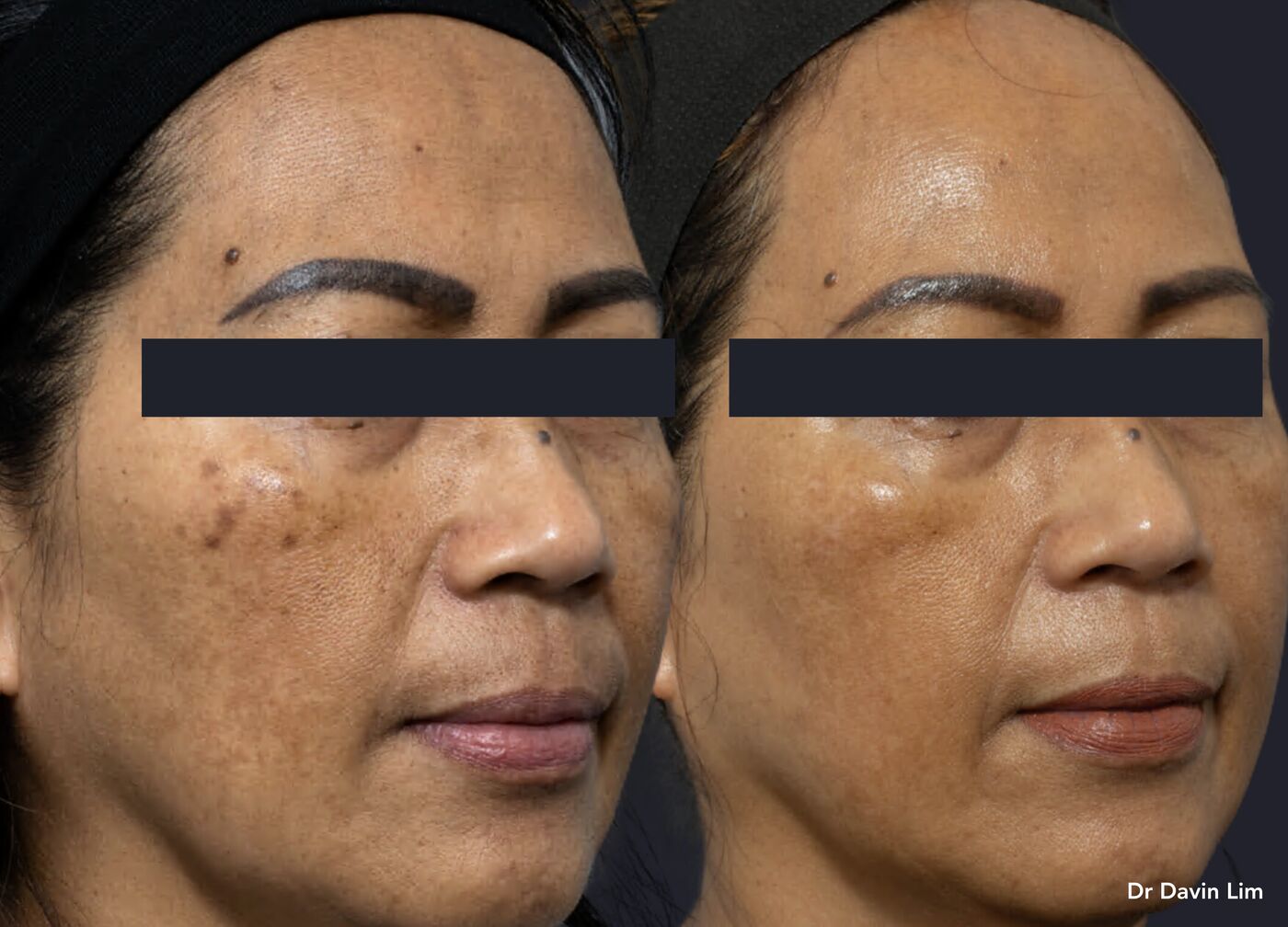
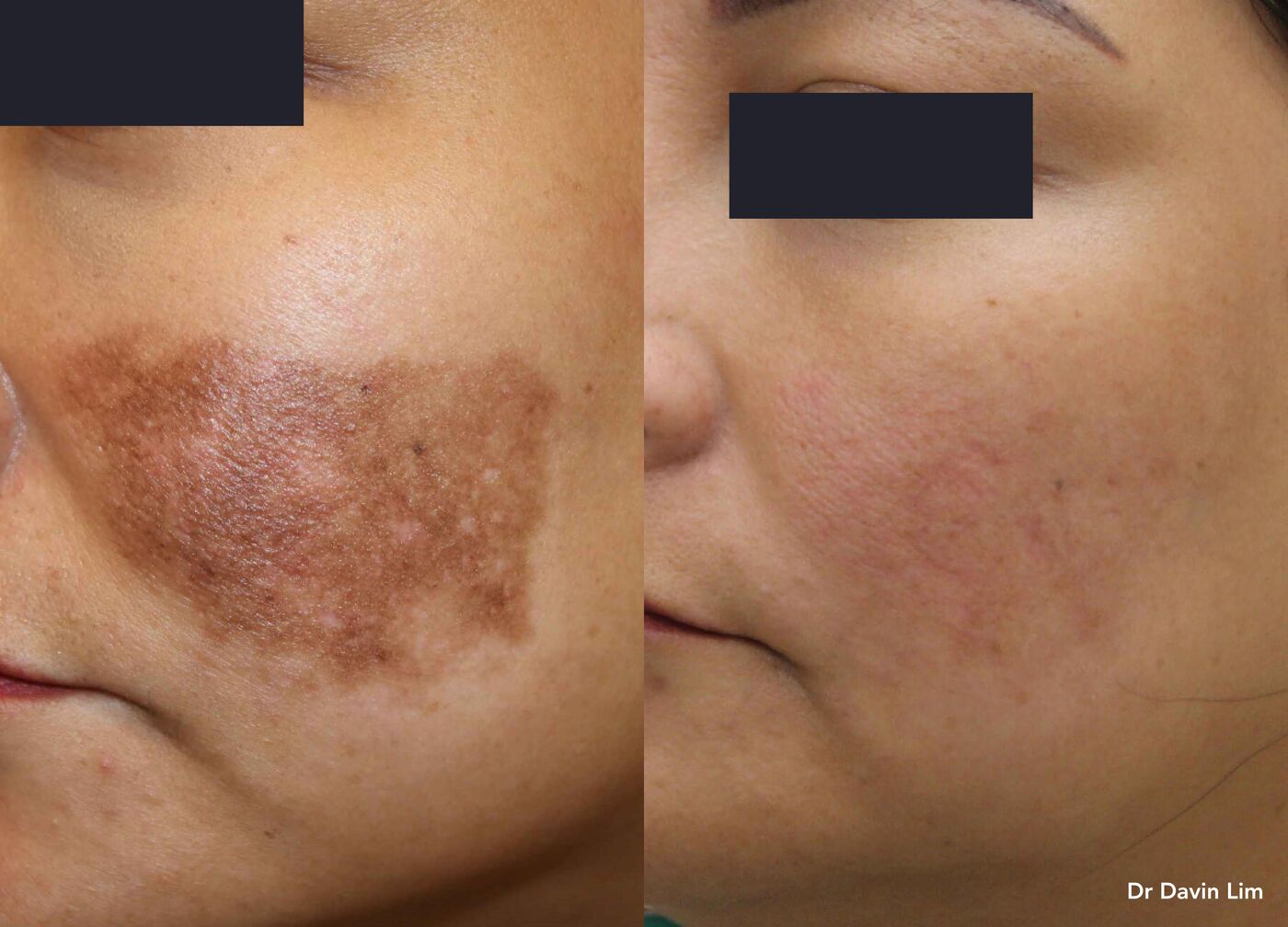
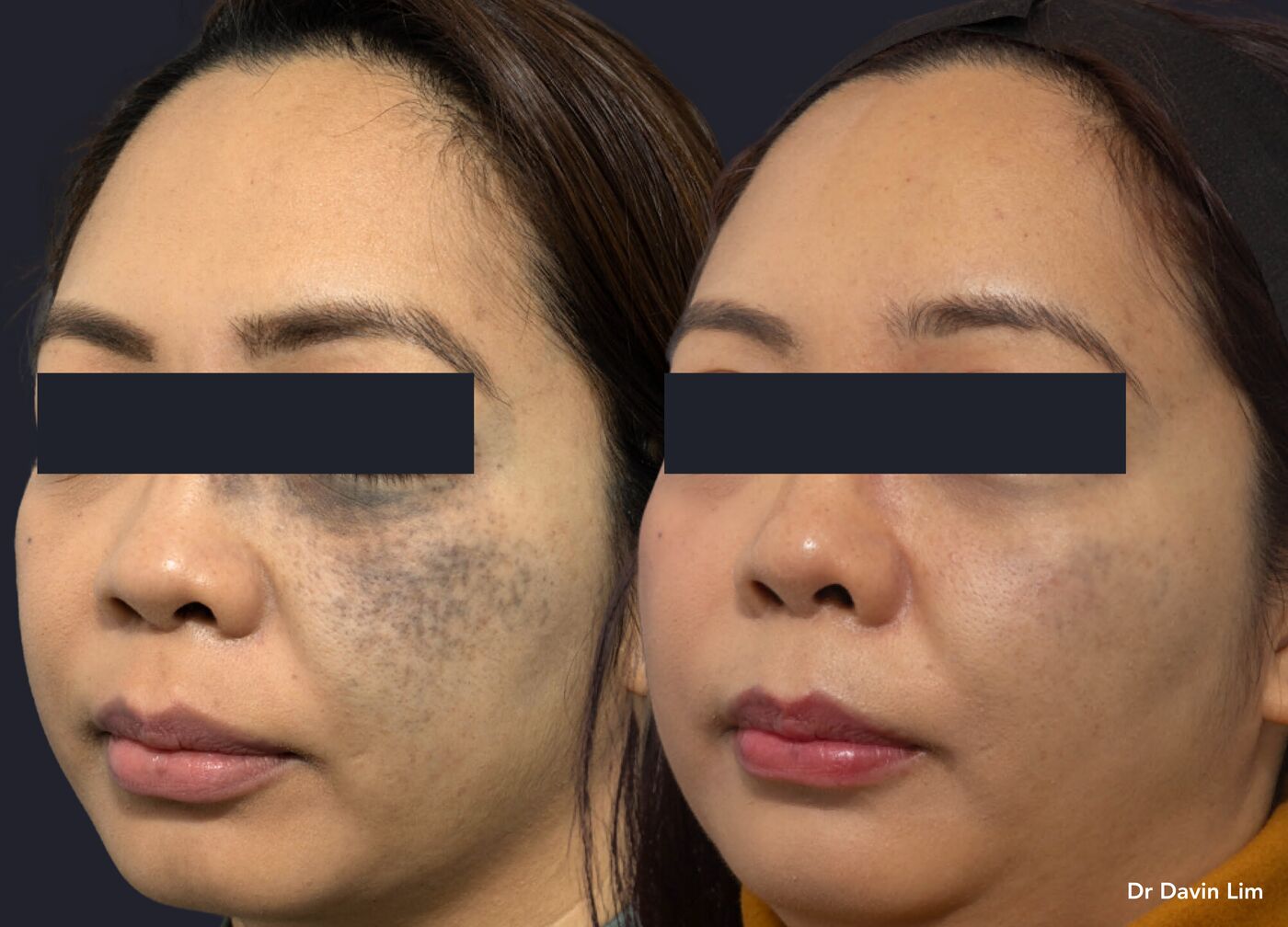
Melasma is different. It is treated with repeated, low-energy passes over wide areas, session after session. Microscopy studies show that pigment cells can survive this but stop making or passing on pigment normally. Clinically, that can appear as small, confetti-like white spots.
In our own series of 796 patients treated with picosecond laser for melasma, 0.38% developed persistent lightening that had not recovered at six months. The likely contributors are treatment density, overlapping passes, slow hand speed, high repetition rates and repeated treatment of the same areas.
The takeaway: picosecond lasers are an important advance, but not risk free. For melasma, conservative technique, careful counselling and early recognition of lightening matter as much as the device.