Home›Dermatology A–Z›Azelaic Acid
Azelaic Acid
A versatile topical ingredient used for acne, redness and pigmentation.
 Dr Davin Lim, Dermatologist
In brief
What is it?
Azelaic acid is a naturally occurring dicarboxylic acid, made by Malassezia, a yeast that lives on normal skin. Used on the skin at 10–20%, it calms inflammation, reduces acne bacteria, normalises how pores shed and slows overactive pigment cells.
What is it best for?
What does it actually do?
What Azelaic Acid will not do
Azelaic acid will not clear severe or nodular acne on its own, remove melasma by itself, or improve acne scars that have already formed.
In detail
The specifics, for patients who want them and for clinicians.
Using it
IngredientWhat it does, and how well we know it
Lowers C. acnes bacteria and calms red, inflamed spots, without the antibiotic resistance seen with topical antibiotics.
A first-line topical for papulopustular rosacea, with results comparable to metronidazole.
Selectively slows overactive pigment cells, softening brown marks over 8–12 weeks while leaving normal skin tone alone.
Normalises the shedding of skin cells inside the pore, reducing blackheads and whiteheads.
Scavenges free radicals, part of how it calms inflamed skin.
Risks and limitations
In the first one to two weeks; usually settles with continued use.
Use a simple moisturiser and reduce frequency for a week.
Persistent redness and itch. Stop and see your doctor.
Reported mainly in darker skin at high strength.
Allow 8–12 weeks before judging results, particularly for pigment.
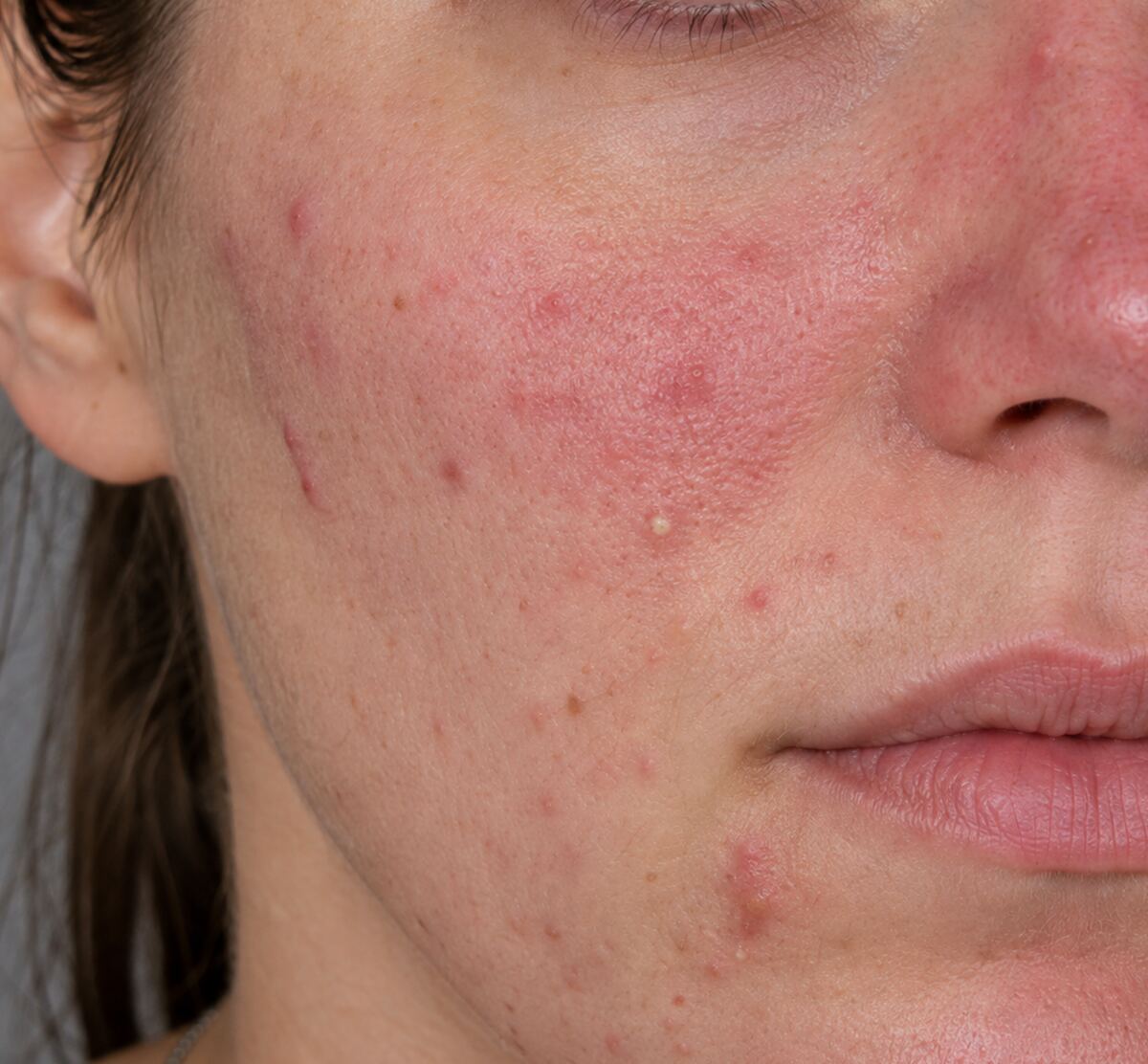
Azelaic acid for acne
In clinical trials, 20% azelaic acid cream and 15% gel reduce both inflamed spots and blocked pores. Older comparison studies found results similar to tretinoin 0.05%, benzoyl peroxide 5% and topical antibiotics, with better tolerability than tretinoin or benzoyl peroxide.
Two features make it especially useful. It does not cause bacterial resistance, so it can be used long term. It also treats the brown marks that follow acne, which in darker skin are often more troubling than the spots themselves. It is one of the few acne treatments suitable in pregnancy.
My recommendations
Use 15% gel or 20% cream over the whole acne-prone area, not just on spots. Start once daily and build to twice daily.
For blackheads and whiteheads, pair it with a retinoid such as adapalene at night.
For inflamed acne, add benzoyl peroxide, or an oral treatment if acne is moderate.
If acne is not clearly better at 12 weeks, or is leaving scars, move on. Scarring acne needs oral treatment such as isotretinoin.
In pregnancy and breastfeeding, azelaic acid is my first-line topical.
Evidence
Reynolds RV, Yeung H, Cheng CE, et al. Guidelines of care for the management of acne vulgaris. J Am Acad Dermatol 2024;90(5):1006.e1–1006.e30.
Katsambas A, Graupe K, Stratigos J. Clinical studies of 20% azelaic acid cream in the treatment of acne vulgaris: comparison with vehicle and topical tretinoin. Acta Derm Venereol Suppl 1989;143:35–39.
Gollnick HP, Graupe K, Zaumseil RP. Comparison of combined azelaic acid cream plus oral minocycline with oral isotretinoin in severe acne. Eur J Dermatol 2001;11(6):538–544.
Kircik LH. Efficacy and safety of azelaic acid (AzA) gel 15% in the treatment of post-inflammatory hyperpigmentation and acne: a 16-week, baseline-controlled study. J Drugs Dermatol 2011;10(6):586–590.
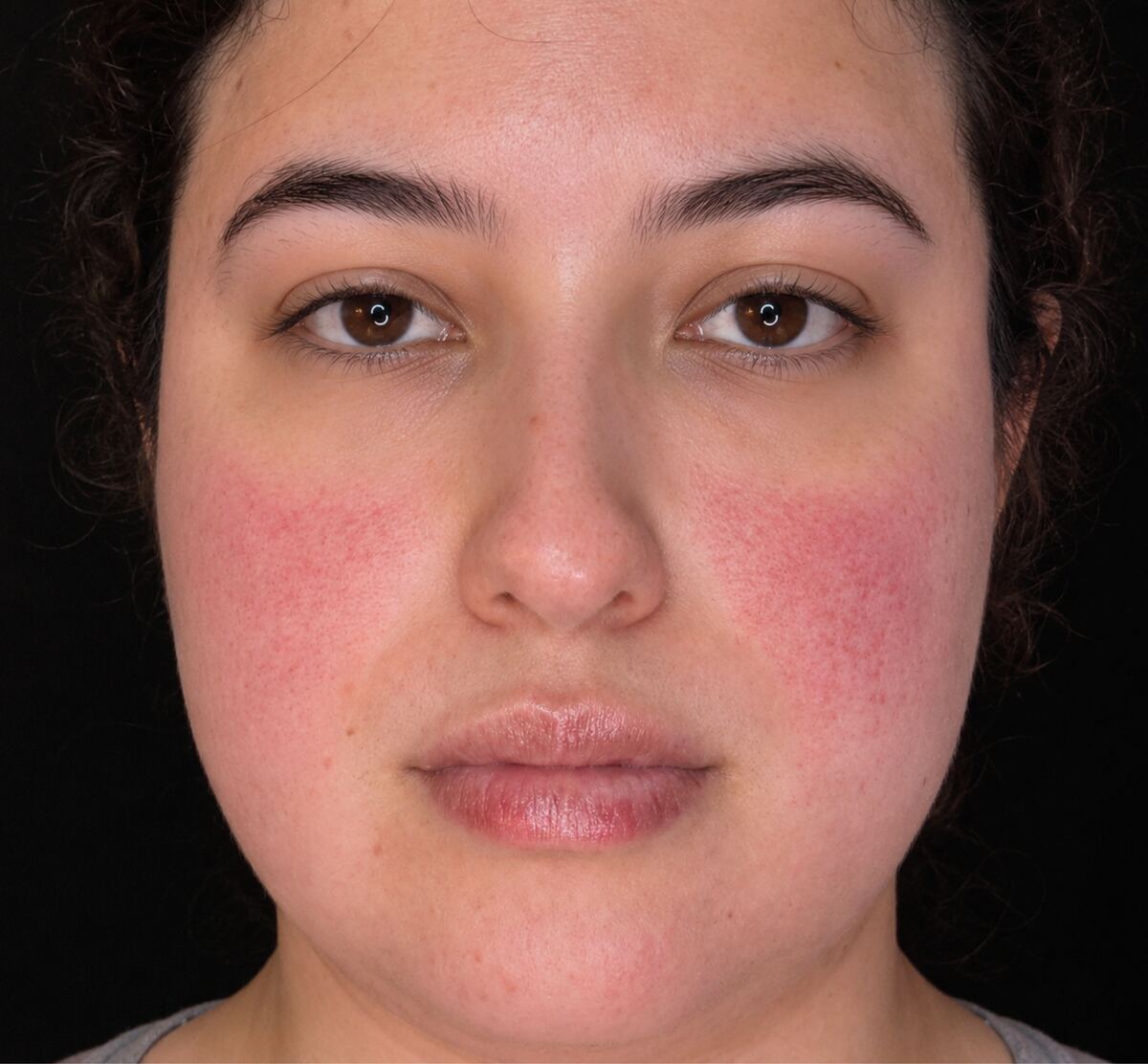
Azelaic acid for rosacea
For papulopustular rosacea, the type with red bumps and pustules, 15% azelaic acid is one of the best-studied topical treatments. Two large phase III trials showed significant reductions in bumps and the redness around them. In a head-to-head trial, it outperformed 0.75% metronidazole gel.
Its limits are just as clear. Azelaic acid does little for background flushing or visible blood vessels (telangiectasia). Those are vascular problems, and they respond to vascular laser or IPL rather than creams.
My recommendations
Use 15% gel or foam twice daily on the whole central face. Once the skin is clear, once daily is often enough to maintain it.
Keep the rest of the routine simple: a gentle cleanser, a plain moisturiser and daily sunscreen. Avoid scrubs, toners and fragrance.
For moderate or persistent bumps, I combine it with ivermectin cream or low-dose oral doxycycline.
For flushing and broken capillaries, plan vascular laser alongside it.
Rosacea is chronic. Expect to continue some treatment after clearing, to prevent flares.
Evidence
Thiboutot D, Thieroff-Ekerdt R, Graupe K. Efficacy and safety of azelaic acid (15%) gel as a new treatment for papulopustular rosacea: results from two vehicle-controlled, randomized phase III studies. J Am Acad Dermatol 2003;48(6):836–845.
Elewski BE, Fleischer AB Jr, Pariser DM. A comparison of 15% azelaic acid gel and 0.75% metronidazole gel in the topical treatment of papulopustular rosacea: results of a randomized trial. Arch Dermatol 2003;139(11):1444–1450.
Draelos ZD, Elewski BE, Harper JC, et al. A phase 3 randomized, double-blind, vehicle-controlled trial of azelaic acid foam 15% in the treatment of papulopustular rosacea. Cutis 2015;96(1):54–61.
van Zuuren EJ, Fedorowicz Z, Carter B, van der Linden MMD, Charland L. Interventions for rosacea. Cochrane Database Syst Rev 2015;(4):CD003262.
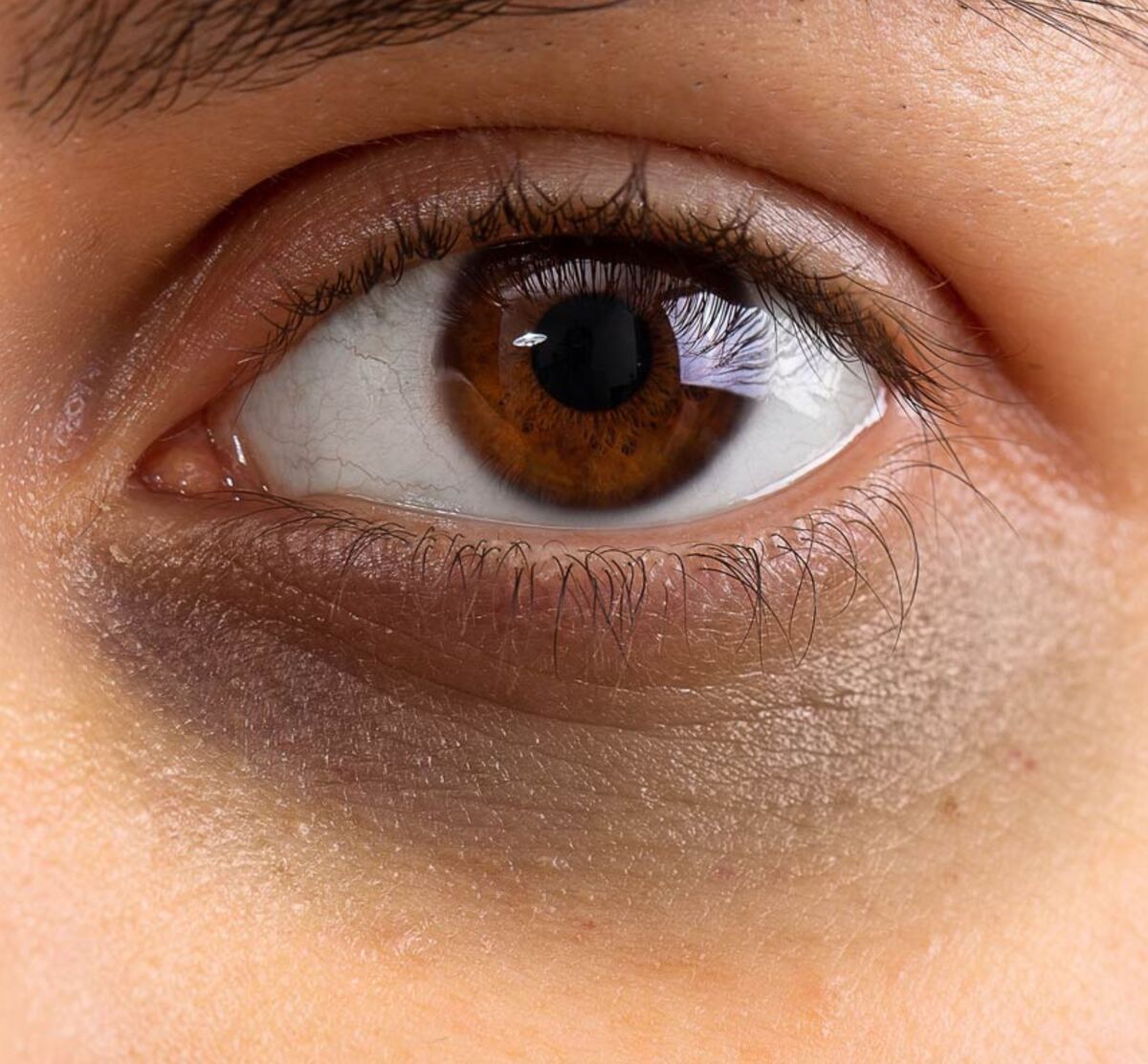
Azelaic acid for melasma and pigmentation
Azelaic acid selectively slows overactive pigment cells while leaving normal ones largely alone. In melasma trials, 20% azelaic acid performed similarly to 4% hydroquinone, and better than 2% hydroquinone, without the risk of ochronosis (a paradoxical darkening) that comes with long-term hydroquinone.
It also fades post-inflammatory hyperpigmentation: the brown marks left after acne, eczema or procedures. This makes it one of my most-used ingredients in darker skin, before and after laser.
Melasma is a chronic condition driven by hormones, sunlight and visible light. No single cream clears it permanently, so azelaic acid works best as one part of a combined, long-term plan.
My recommendations
Use 15% gel or 20% cream twice daily to the whole affected area, not just the darkest patches.
Wear a tinted, broad-spectrum sunscreen every day. The iron oxides in tinted formulas block the visible light that drives melasma.
Combine it with other pigment inhibitors such as niacinamide, a retinoid or, where suitable, oral tranexamic acid.
Avoid aggressive lasers and peels for melasma. They can rebound the pigment. Gentle, low-energy approaches are safer.
Plan for maintenance. Melasma returns when treatment and sun protection stop.
Evidence
Balina LM, Graupe K. The treatment of melasma: 20% azelaic acid versus 4% hydroquinone cream. Int J Dermatol 1991;30(12):893–895.
Verallo-Rowell VM, Verallo V, Graupe K, Lopez-Villafuerte L, Garcia-Lopez M. Double-blind comparison of azelaic acid and hydroquinone in the treatment of melasma. Acta Derm Venereol Suppl 1989;143:58–61.
Farshi S. Comparative study of therapeutic effects of 20% azelaic acid and hydroquinone 4% cream in the treatment of melasma. J Cosmet Dermatol 2011;10(4):282–287.
Castanedo-Cazares JP, Hernandez-Blanco D, Carlos-Ortega B, Fuentes-Ahumada C, Torres-Álvarez B. Near-visible light and UV photoprotection in the treatment of melasma: a double-blind randomized trial. Photodermatol Photoimmunol Photomed 2014;30(1):35–42.
Common questions about azelaic acid
14 questions A dermatologist’s view
Dr Davin Lim on azelaic acid
Azelaic acid is one of the most underrated ingredients in dermatology. It rarely gets the attention that retinoids or vitamin C receive, yet I prescribe it every day, because it does three jobs at once: it calms inflammation, it treats acne, and it quietens pigment.
That combination matters most in skin of colour. In my Asian, South Asian, Middle Eastern and olive-skinned patients, the pimple is often not the main problem. The brown mark it leaves behind is. Azelaic acid treats both the spot and the mark, and it is far gentler than many alternatives. It is also my first choice for acne and rosacea in pregnancy and breastfeeding, when many other options are off the table.
In rosacea, I use 15% azelaic acid as a first-line topical for bumps and pustules. It will not remove the background flushing or broken capillaries. That is the job of a vascular laser, and patients are best served when they know that from the outset.
How I prescribe it: a thin layer over the whole area, starting every second night, then building to once or twice daily. Expect tingling for the first week or two. It is a sign the product is on the skin, not a sign it is failing. I ask patients to give it twelve weeks before we judge it.
Where it fits in a plan: rarely on its own. For acne, I pair it with a retinoid. For melasma, it sits alongside sunscreen, tranexamic acid and other pigment inhibitors, and never as the only treatment. Before and after laser, I use it to prepare pigment-prone skin and reduce the risk of post-laser darkening.
What it is not: a treatment for scarring. Once a scar has formed, no cream will lift it. That is where procedures such as TCA CROSS, subcision and resurfacing come in. The best time to use azelaic acid is early, to reduce the inflammation that causes scars in the first place.
References
Fitton A, Goa KL. Azelaic acid: a review of its pharmacological properties and therapeutic efficacy in acne and hyperpigmentary skin disorders. Drugs 1991;41(5):780–798.
Thiboutot D, Thieroff-Ekerdt R, Graupe K. Efficacy and safety of azelaic acid (15%) gel as a new treatment for papulopustular rosacea: results from two vehicle-controlled, randomized phase III studies. J Am Acad Dermatol 2003;48(6):836–845.
Balina LM, Graupe K. The treatment of melasma: 20% azelaic acid versus 4% hydroquinone cream. Int J Dermatol 1991;30(12):893–895.
Kircik LH. Efficacy and safety of azelaic acid (AzA) gel 15% in the treatment of post-inflammatory hyperpigmentation and acne: a 16-week, baseline-controlled study. J Drugs Dermatol 2011;10(6):586–590.
Schulte BC, Wu W, Rosen T. Azelaic acid: evidence-based update on mechanism of action and clinical application. J Drugs Dermatol 2015;14(9):964–968.
Gollnick H, Layton A. Azelaic acid 15% gel in the treatment of rosacea. Expert Opin Pharmacother 2008;9(15):2699–2706.
Searle T, Ali FR, Al-Niaimi F. The versatility of azelaic acid in dermatology. J Dermatolog Treat 2022;33(2):722–732.
Schallreuter KU, Wood JM. A possible mechanism of action for azelaic acid in the human epidermis. Arch Dermatol Res 1990;282(3):168–171.
Have some questions?
Send a message and it will be answered personally. Form endpoint — to be wired in production
See the work before you book
Procedures, technique, before and afters, and the reasoning behind them — posted across three accounts, each with its own focus.