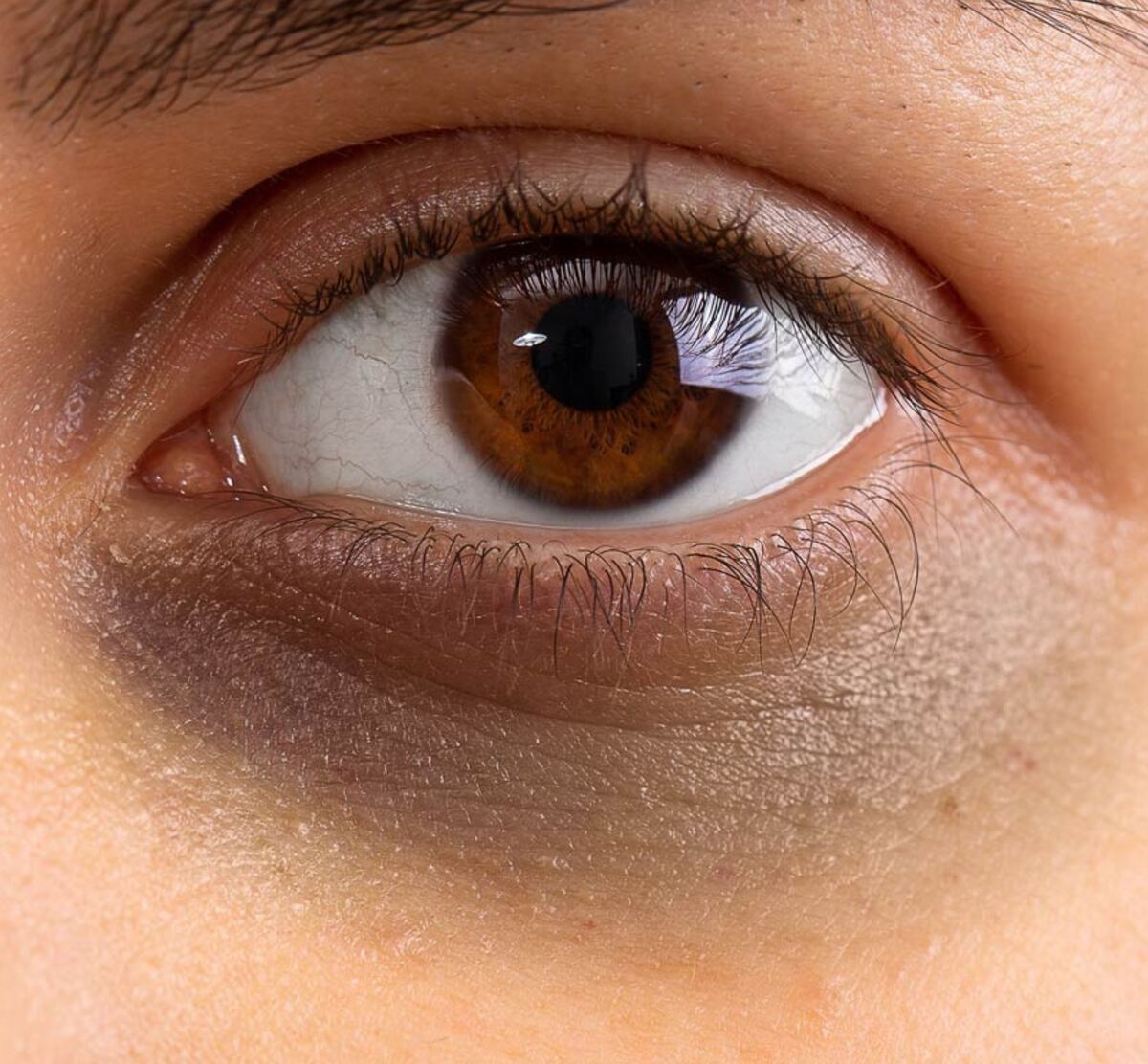
"Dark circles" is one of the most common concerns I see, and one of the most misunderstood. Under that one complaint sit at least eight different conditions. Most people have several at once, which is why a single cream or device so often disappoints.
Acquired causes
- Post-inflammatory pigment from eczema, allergy, irritation or rubbing.
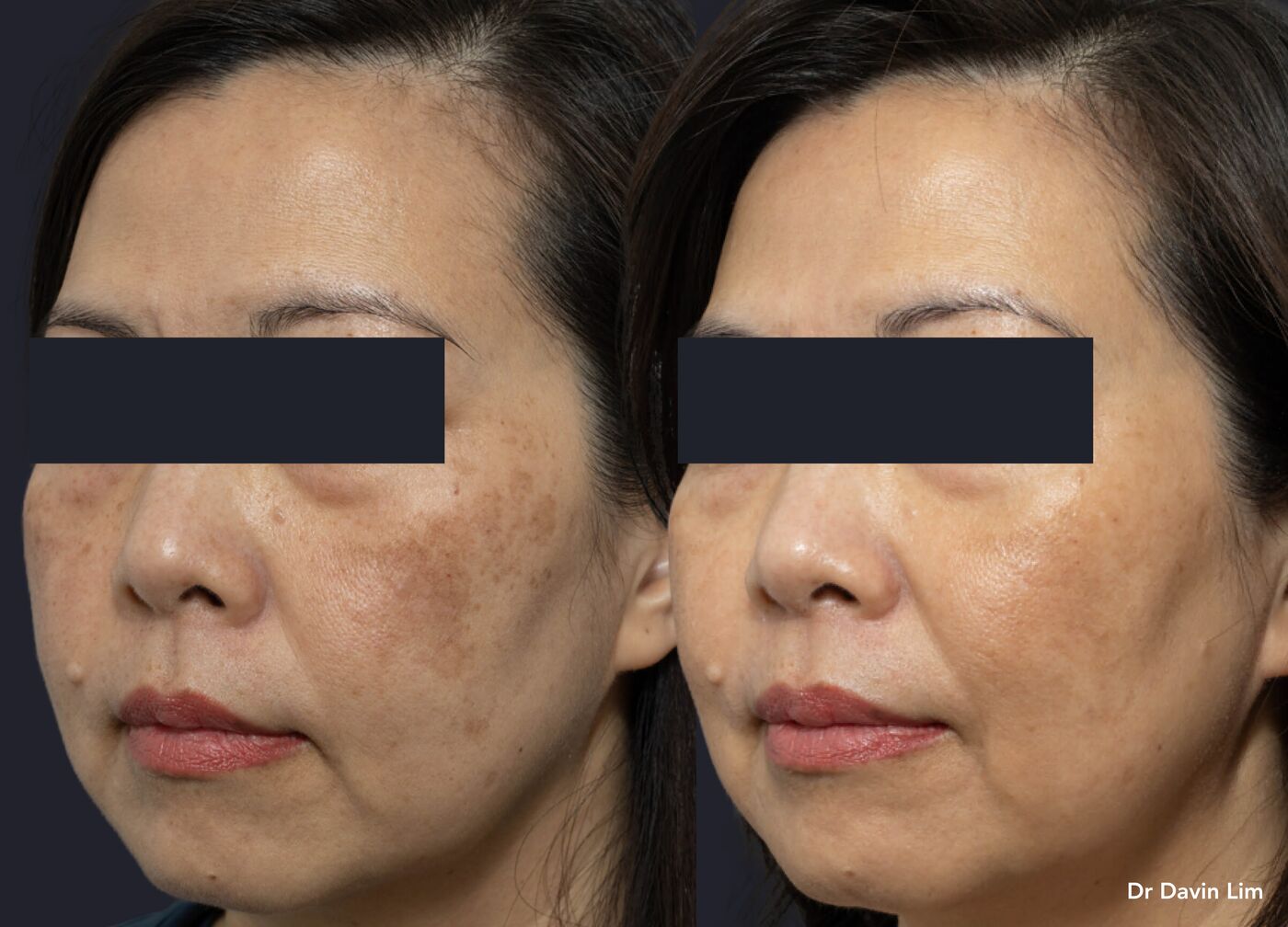
- Melasma extending into the skin around the eyes.
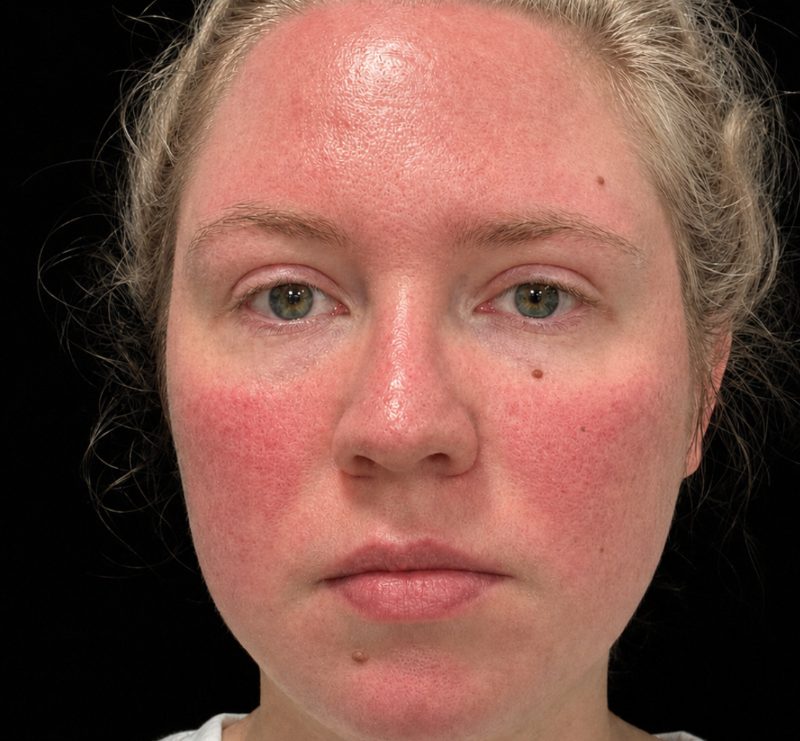
- Vascular circles: blood vessels showing through thin under-eye skin, often worse with allergy and fatigue.
- Allergy and rubbing: itching drives rubbing, and rubbing drives inflammation and pigment.
Genetic causes
- Constitutional pigment: inherited pigment in a C-shaped pattern around the eyes.
- Pigmentation demarcation lines: genetically determined lines below the eye socket.
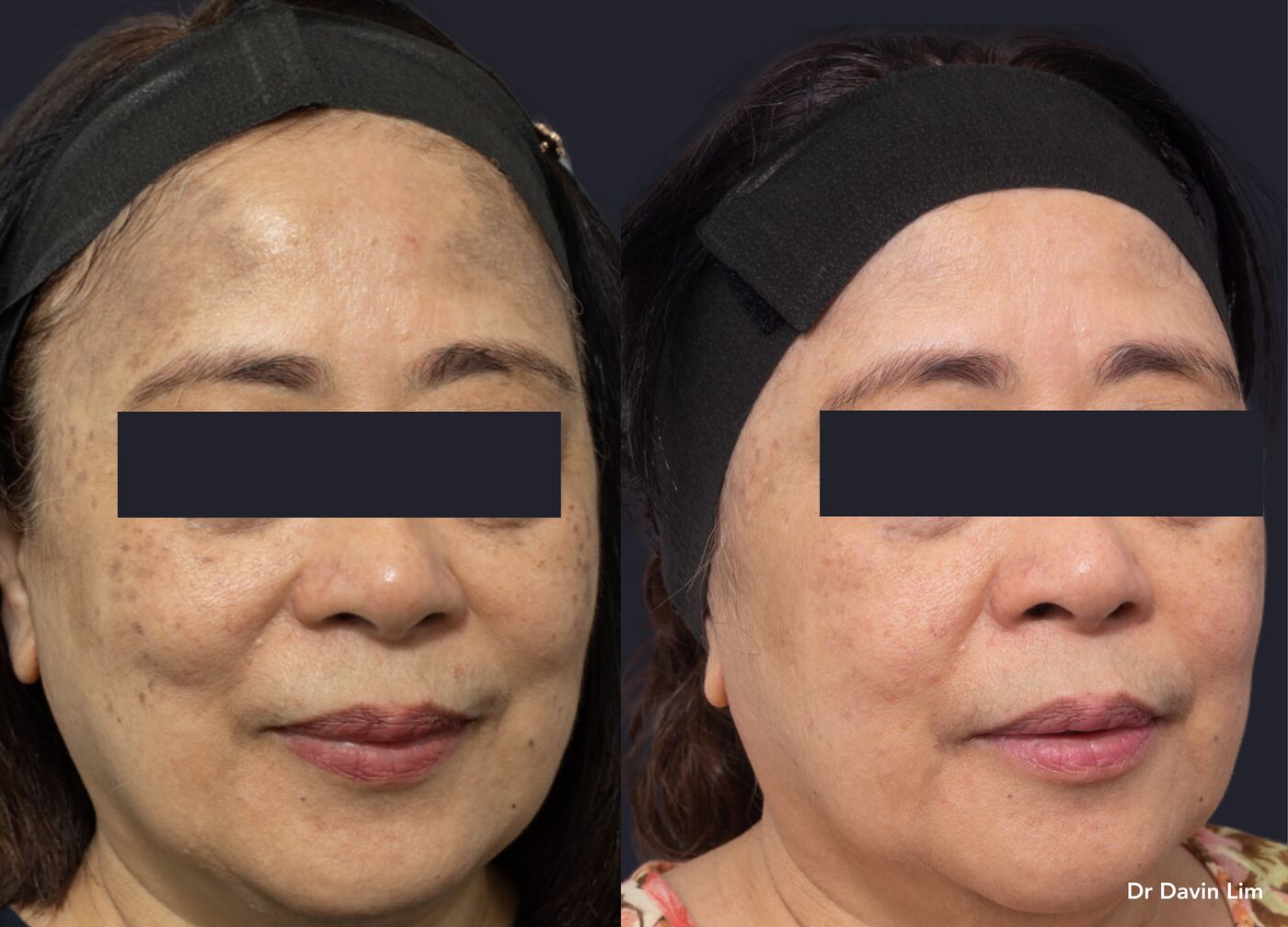
- Deep dermal pigment, such as Hori naevus, which needs a different laser approach.
And one that is not pigment at all
Tear trough shadowing is a groove between the eyelid and cheek that casts a shadow. No cream or pigment laser will ever fix a shadow. It is a structural problem, often part of skin ageing, and it needs structural treatment.
Matching the treatment to the cause
- Pigment: pigment correctors plus picosecond or dermal toning laser.
- Blood vessels: skincare plus vascular laser, usually two to four sessions.
- Allergy: treat the allergy first, then laser if pigment remains.
- Shadowing: dermal fillers, polynucleotides or collagen-stimulating injectables in selected patients.
Stopping the rubbing is half the treatment.
Honest success rates
Across all types, improvement ranges from 30% to 80% depending on the cause. Inflammatory circles and tear trough shadowing respond best. Genetic pigment is the hardest: only 10–15% respond to picosecond laser, typically over four to six sessions. I will tell you that before you spend money, not after.
What to avoid
- Microneedling with PRP for vascular, inflammatory or genetic circles; it can make them worse.
- IPL around the eyes.
- Relying on retinol, which is a weak pigment inhibitor here and can irritate.
- Filler in the wrong candidate, which can create a bluish tint (the Tyndall effect).
Common questions
References
Sarkar R, Ranjan R, Garg S, et al. Periorbital hyperpigmentation: a comprehensive review. J Clin Aesthet Dermatol 2016;9(1):49–55.

Dr Davin Lim is a consultant dermatologist with a procedural practice in lasers, scar revision and pigmentation. This article is general information and not personal medical advice.