Azelaic acid rarely gets the attention that retinoids or vitamin C receive, yet I prescribe it every day. It is one of very few ingredients that treats acne, rosacea and pigmentation at the same time, and it does so gently.
What is azelaic acid?
Azelaic acid is a naturally occurring acid made by a yeast that lives on normal skin. Applied at 10–20%, it calms inflammation, reduces acne bacteria, normalises the way pores shed skin cells and slows overactive pigment cells, while leaving normal pigment largely alone.
Azelaic acid for acne
In clinical trials, 20% cream and 15% gel reduce both inflamed spots and blocked pores, with results comparable to tretinoin, benzoyl peroxide and topical antibiotics in older comparison studies. Importantly, it does not cause bacterial resistance, so it can be used long term.
It also treats the brown marks that follow acne. In darker skin, those marks are often more troubling than the spots themselves.
Azelaic acid for rosacea
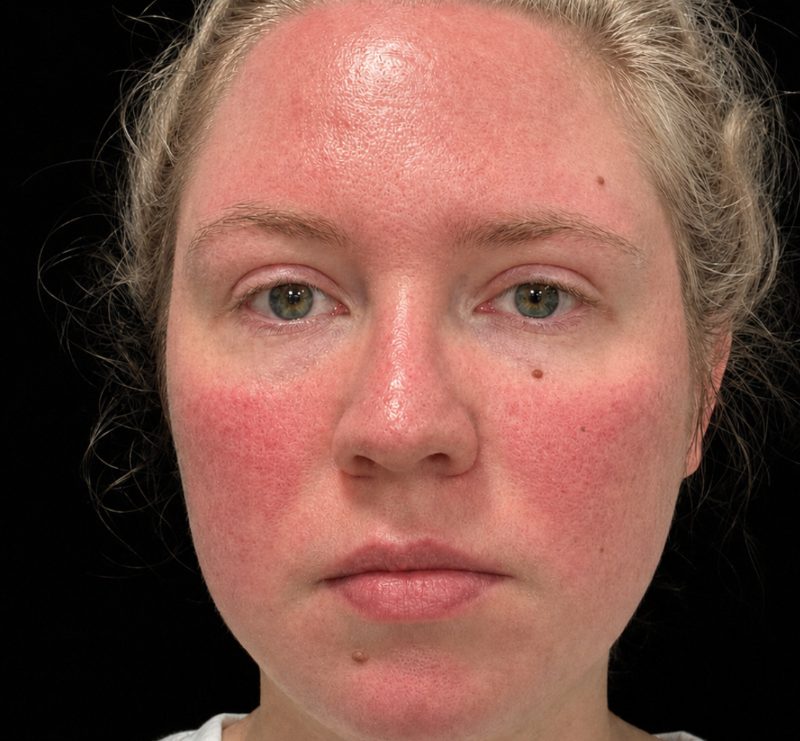
For papulopustular rosacea, the type with red bumps and pustules, 15% azelaic acid is one of the best-studied topical treatments. Large trials show significant reductions in bumps and the redness around them.
It does little for background flushing or visible blood vessels. Those are vascular problems and respond to vascular laser rather than creams. Patients do best when they know that from the start.
Azelaic acid for melasma and pigmentation
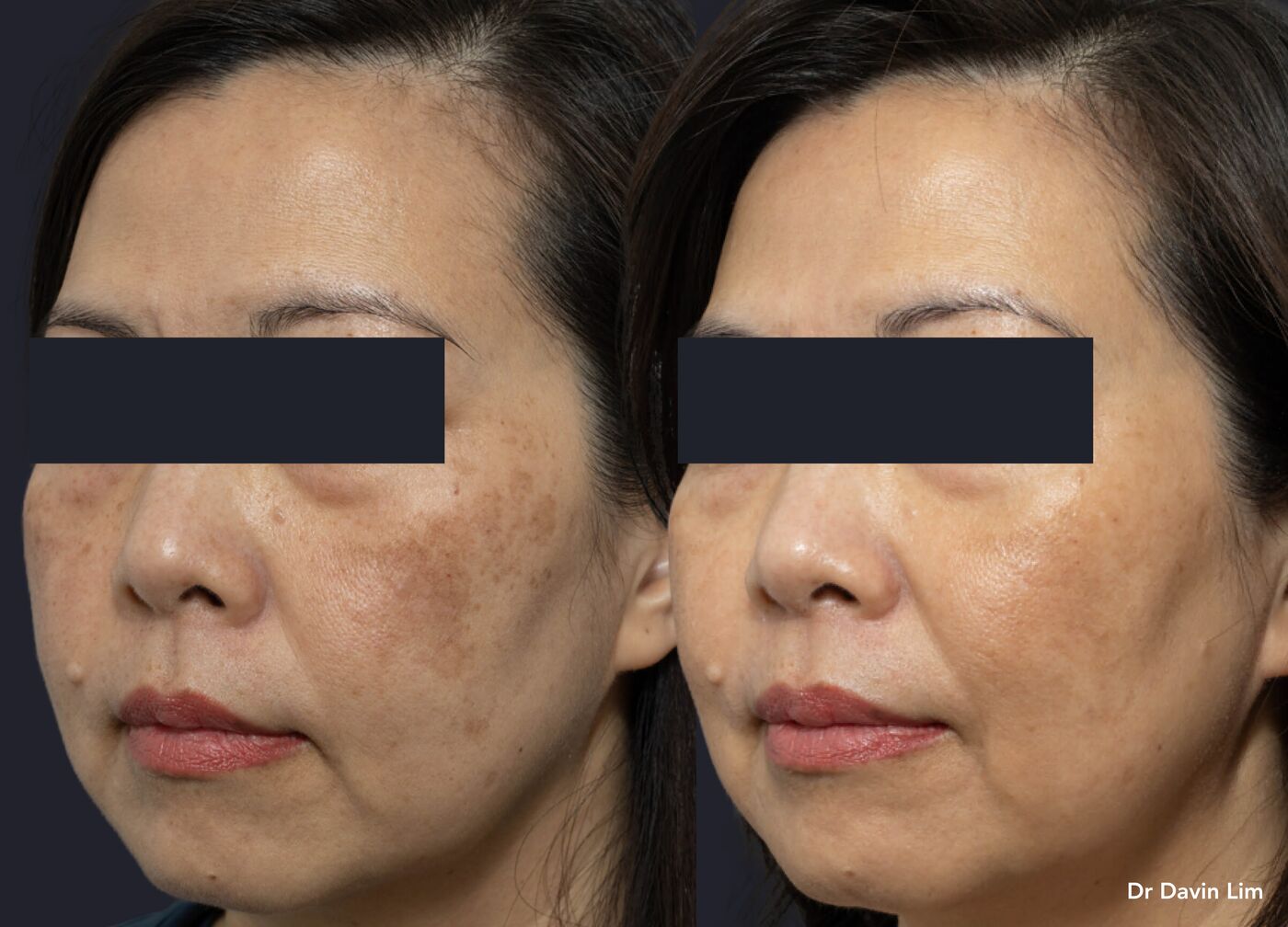
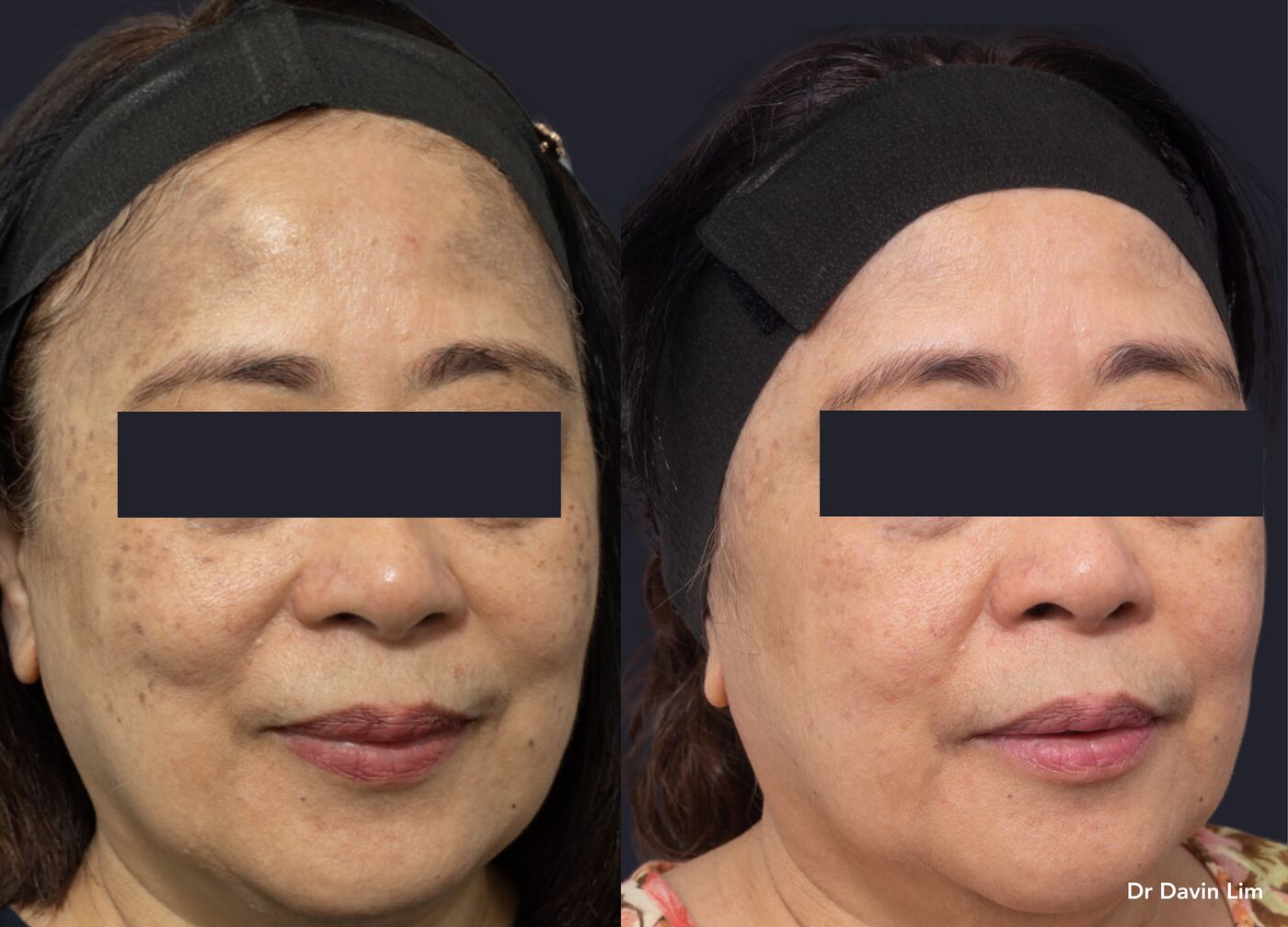
In melasma trials, 20% azelaic acid performed similarly to 4% hydroquinone, without the long-term risks of hydroquinone. It also fades post-inflammatory hyperpigmentation: the brown marks left after acne, eczema or procedures. That makes it one of my most-used ingredients before and after laser in pigment-prone skin.
In skin of colour, the pimple is often not the main problem. The brown mark it leaves behind is.
Is azelaic acid safe in pregnancy?
Very little is absorbed through the skin, and azelaic acid is generally regarded as one of the safer topical treatments for acne and rosacea in pregnancy and breastfeeding. It is my first-line topical in that setting. Always confirm with your doctor before starting any treatment while pregnant.
How to use azelaic acid
- Apply a thin layer to the whole affected area, not just individual spots.
- Start every second night, then build to once or twice daily.
- Use it morning or night; it does not make skin more sun-sensitive.
- Pair it with a retinoid for acne, or with sunscreen and other pigment inhibitors for melasma.
- Allow 8–12 weeks, especially for pigment, before judging results.
Side effects
Tingling, itch or warmth in the first one to two weeks is common and usually settles. It is a sign the product is on the skin, not a sign it is failing. If redness, swelling or itch persists, stop and see your doctor.
What azelaic acid will not do
It will not clear severe or scarring acne on its own, remove melasma by itself, or lift acne scars that have already formed. Scarring acne needs oral treatment, and established scars need procedures such as subcision, TCA CROSS or resurfacing.
Common questions
References
Thiboutot D, Thieroff-Ekerdt R, Graupe K. Efficacy and safety of azelaic acid (15%) gel as a new treatment for papulopustular rosacea. J Am Acad Dermatol 2003;48(6):836–845.
Balina LM, Graupe K. The treatment of melasma: 20% azelaic acid versus 4% hydroquinone cream. Int J Dermatol 1991;30(12):893–895.

Dr Davin Lim is a consultant dermatologist with a procedural practice in lasers, scar revision and pigmentation. This article is general information and not personal medical advice.